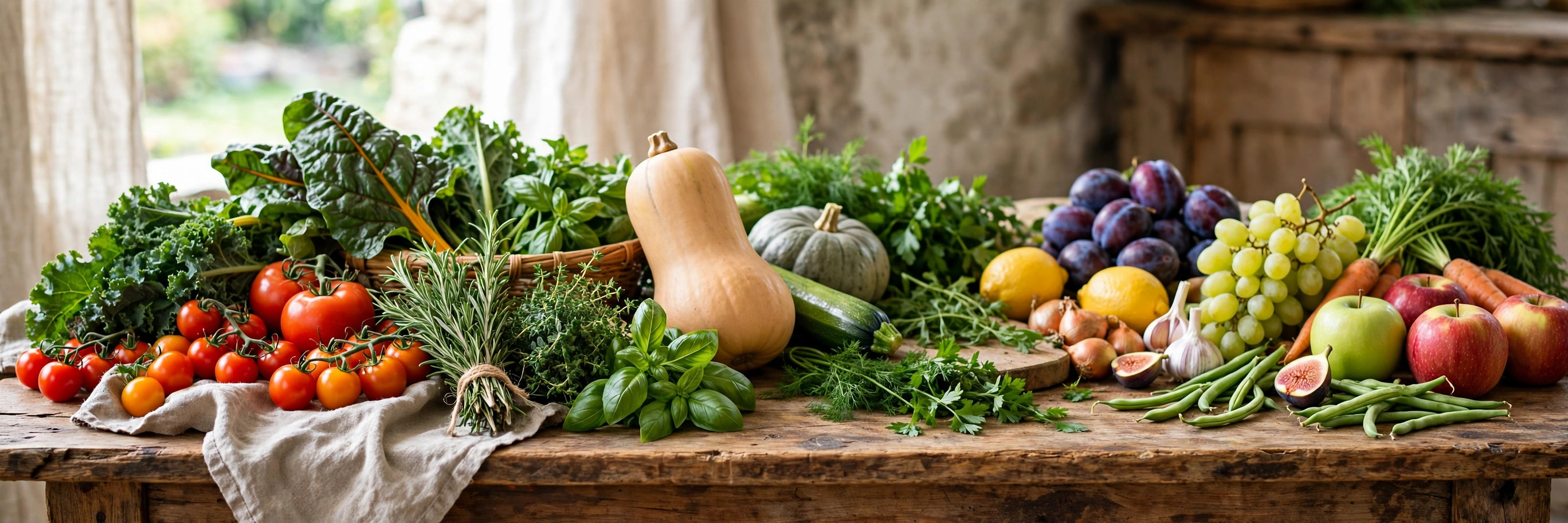
There is a moment most cooks recognise. You buy tomatoes in the middle of winter and they look perfect, yet taste of almost nothing. A few months later, a simple summer tomato needs only salt to become the best part of the meal. That difference is seasonality, and learning to cook with it is one of the easiest upgrades any home kitchen can make.
Seasonal eating simply means choosing fruits and vegetables mainly when they are naturally harvested in your region. It is not a strict rule or a diet. It is a practical approach that tends to deliver better flavour, good nutrition, and lower cost at the same time. This guide shows how to start, wherever you live and whatever your budget.
Why Seasonal Food Usually Tastes Better
Produce eaten near its harvest is typically picked closer to ripeness, because it does not need to survive weeks of transport and storage. Ripeness is where flavour, aroma, and texture develop. Out-of-season produce is often harvested early and ripened artificially, which can leave it firm but bland.
Seasonality also brings variety without effort. Each season pushes different ingredients into your kitchen, which naturally rotates your meals across the year. That variety is enjoyable, and it also spreads your nutrient intake across many different foods over time, rather than relying on the same few items every week.
Learn Your Local Seasons Without Memorising Charts
You do not need to memorise a calendar. Start with two simple habits. First, notice what is plentiful and inexpensive at your market or supermarket. Abundance is the clearest sign something is in season. Second, check a local seasonal guide from a farmers market association, agricultural extension, or regional food organisation for your area, since seasons differ greatly by climate.
Group the year loosely instead of chasing exact dates. Spring often brings tender greens, peas, and early herbs. Summer is the season of tomatoes, peppers, courgettes, sweetcorn, and most soft fruit. Autumn offers squashes, root vegetables, apples, and pears in many regions. Winter favours sturdy greens, citrus in warmer areas, stored roots, and cabbages. Your local pattern may differ, especially in tropical climates where rainy and dry seasons matter more. The principle is identical: follow local abundance.
Frozen and Preserved Foods Still Count
Seasonal eating is not a ban on everything else. Frozen vegetables and fruit are usually frozen soon after harvest and can be nutritious, affordable, and practical, especially for items that are out of season fresh. Tinned tomatoes, dried beans and lentils, and preserved foods have long been part of traditional seasonal cooking, bridging the months when fresh choice is narrow. Use them confidently. The goal is better everyday meals, not purity.

How to Plan a Week of Seasonal Meals
Plan around produce first, then add protein and staples. Choose two or three seasonal vegetables in generous quantity, one or two seasonal fruits, and build the week's meals around them. This reverses the common habit of choosing a recipe and then hunting for every ingredient regardless of season or price.
A flexible framework works better than rigid recipes. Think in formats you can repeat: a soup or stew, a grain bowl or salad, a simple pasta or rice dish, a tray of roasted vegetables with a protein, and a flexible stir-fry or curry that welcomes whatever needs using up. The same seasonal vegetables can appear in several formats across the week and taste different each time, depending on seasoning and cooking method.
A Simple Meal Ideas Framework
For a soup, soften onion and garlic, add chopped seasonal vegetables and stock, simmer until tender, and finish with herbs, lemon, or a swirl of yoghurt. For roasting, cut vegetables into similar sizes, toss with oil and salt, and roast in a hot oven until edges caramelise, then serve over grains or with eggs, beans, or cheese. For a stir-fry, cook firmer vegetables first, add quicker ones last, and finish with a simple sauce of soy, citrus, or vinegar, garlic, and a little sweetness.
Shop and Store So Good Food Does Not Go to Waste
Shop with a short list based on your plan, but leave room for one unplanned seasonal find. That flexibility is where much of the pleasure is. Buy delicate items, such as soft fruit and leafy greens, in quantities you will use within a few days, and sturdier roots, squashes, and cabbages in larger amounts.
Storage decides whether seasonal abundance stays a bargain. Keep most vegetables in the fridge's crisper drawer, ideally with excess moisture controlled. Store tomatoes at room temperature until ripe for best flavour. Keep potatoes and onions in a cool, dark, ventilated place, away from each other. Wash leafy greens, dry them well, and store them with a clean cloth or paper to absorb moisture. When something is plentiful and cheap, freeze the extra in portions, blanching vegetables first where appropriate, so a seasonal glut becomes easy meals later.
Keep It Realistic and Enjoyable
Start with a modest goal, such as building two dinners a week around what is in season. Visit a market occasionally if you can, and ask sellers what is best this week. Do not let seasonal eating become a source of guilt when life is busy. Imported staples, frozen food, and convenience items all have their place. Even a partial shift usually improves flavour and cost noticeably.
Frequently Asked Questions
Is seasonal food always healthier?
Seasonal produce eaten near harvest can retain flavour and nutrients well, and eating a rotating variety across the year supports a varied diet. But frozen produce is also nutritious, and overall eating patterns matter far more than whether any single item was in season.
Is seasonal eating more expensive?
Usually the opposite for fresh produce. In-season local crops are abundant, so they often cost less and need fewer discounts to be good value. Costs rise when you insist on out-of-season fresh items that have travelled far or been stored for a long time.
How do I know what is in season where I live?
Look for abundance and low prices in shops and markets, and consult a local seasonal guide from a market association or agricultural service. Seasons vary by region and climate, so a guide for your own area is far more useful than a generic international chart.
What if choice is very limited in winter?
Lean on stored and hardy foods as traditional winter cooking does: roots, squashes, cabbages, onions, dried beans and lentils, tinned tomatoes, frozen vegetables, and preserved fruit. Add citrus, herbs, spices, and ferments for brightness, and the season feels generous rather than restricted.
Conclusion
Seasonal eating is less a rule than a rhythm. Follow local abundance, plan around a few good ingredients, store them well, and use flexible meal formats you can repeat with confidence. Your food will taste better, your planning will get simpler, and your shopping will often cost less. Start with whatever is plentiful this week, and let the season do most of the work.