The most rewarding home upgrades are rarely the biggest ones. A full renovation can take months, cost far more than planned, and still miss the small daily irritations that make a home feel tired. In contrast, a weekend of thoughtful, low-cost improvements can change how a home feels every day and how buyers see it later.
The key is to choose upgrades that do both jobs: they improve comfort now and make practical sense to a future buyer. This guide focuses on those high-impact, low-cost changes, and on the popular projects that are usually better skipped.
Start With Light, the Fastest Transformation
Lighting shapes how every room feels, yet many homes rely on a single harsh ceiling light. Layering light makes an immediate difference. Combine general lighting with task lighting where you read, cook, or work, and a softer source for evenings. Warm, consistent bulb colour across a room makes it feel calmer and more finished.
Switching to efficient LED bulbs lowers energy use and removes the patchwork of different tones many homes accumulate over time. Adding a dimmer, where suitable, gives one room several moods at little cost. Do not forget natural light. Cleaning windows, trimming plants that block them, and choosing lighter window coverings can brighten a home for almost nothing.
Outside, simple lighting at the entrance improves both safety and first impressions. A well-lit doorway signals a cared-for home the moment someone arrives.
Paint: The Highest Return for the Lowest Cost
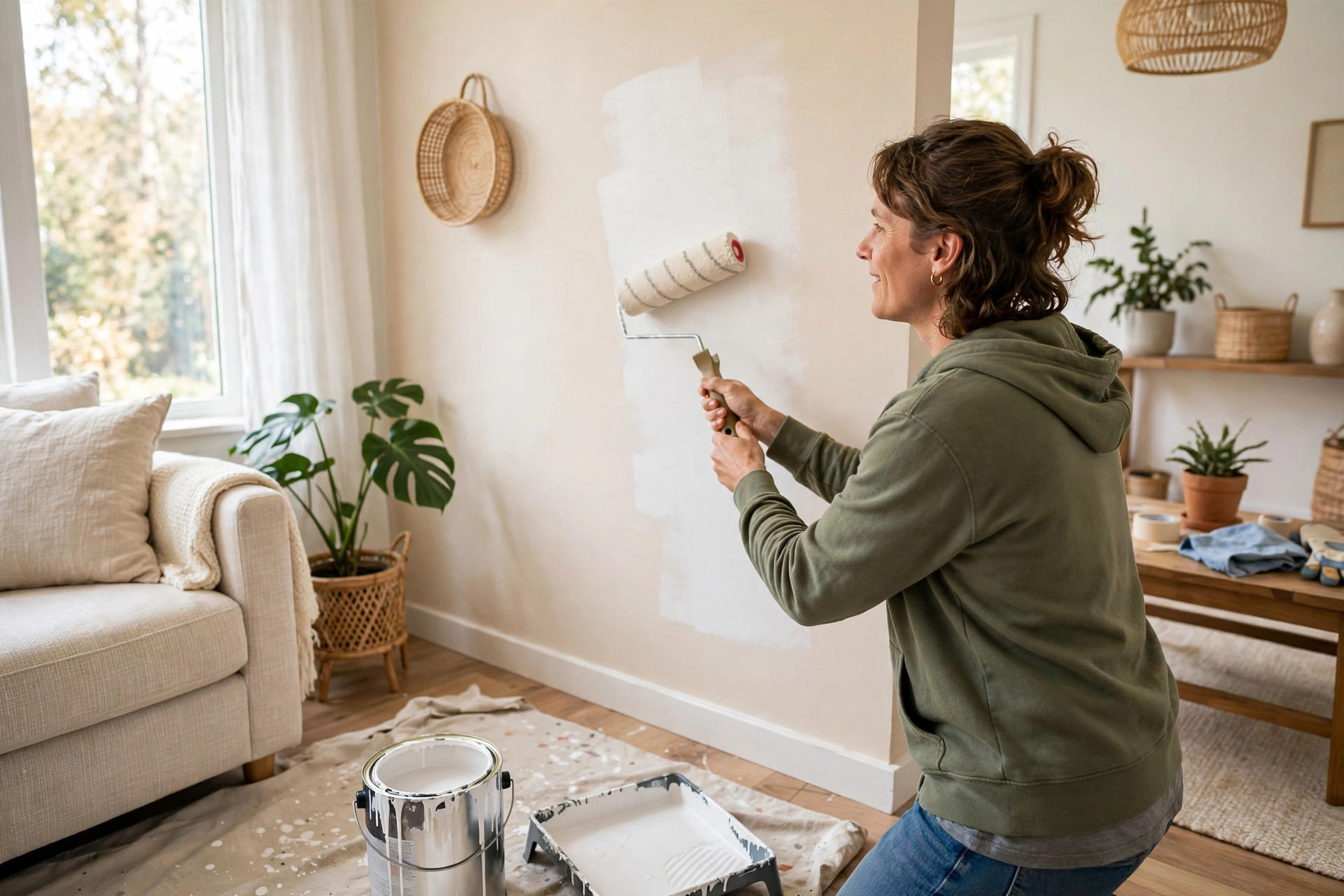
Fresh paint is still the classic high-value upgrade because it is visible everywhere and comparatively cheap. Neutral, light colours help rooms feel larger and brighter, and they let buyers imagine their own furniture in the space. If you love strong colours, keep them to one accent or to accessories that are easy to change.
Preparation matters more than the brand of paint. Fill small cracks and holes, sand rough edges, clean surfaces, and use proper tape for lines. A careful finish in a modest colour looks far more valuable than an expensive colour applied in a hurry. Painting the front door is a small project with outsized effect, since it is one of the first details a visitor touches and sees up close.
Storage That Removes Daily Friction
Clutter is often a storage problem, not a space problem. Adding hooks by the entrance, shelves in unused corners, organisers inside existing cupboards, and storage boxes that actually fit under a bed can transform how a home works without any building work.
Focus on the friction points you notice weekly. Shoes piling up by the door, a kitchen counter covered in appliances, or a bathroom with nowhere for towels are all solvable with targeted storage rather than a renovation. Built-in-looking solutions, such as a simple bench with storage in a hallway, also photograph well and appeal to buyers, because they show the home has been thought through.
Energy Upgrades That Pay You Back
Energy improvements are unusual because they add comfort, cut bills, and appeal to buyers at the same time. Start with the unglamorous basics. Sealing draughts around doors and windows, adding or topping up loft insulation where appropriate, and servicing heating systems are often cheaper and more effective than replacing equipment.
A programmable or smart thermostat, used properly, can reduce wasted heating when no one is home. Efficient shower heads and tap aerators lower water and heating use with little change in daily experience. Keep receipts and any energy documentation. Evidence of lower running costs is more persuasive to a buyer than a general claim that a home is efficient.

Comfort Details People Feel Immediately
Some upgrades are small enough to overlook, yet guests and buyers register them at once. Fixing a dripping tap, a door that sticks, or a loose handle removes the sense that a home has deferred problems. Deep cleaning grout and replacing a worn shower curtain refresh a bathroom for a fraction of a refit. Curtains hung slightly higher and wider than the window make ceilings feel taller, and a large mirror spreads light in a dark room.
What to Skip, or at Least Question Carefully
Not every popular project earns its cost back. Highly personal renovations, such as bold bespoke fittings, luxury materials in a modest neighbourhood, or converting a needed bedroom into a niche hobby room, can narrow your buyer pool. Swimming pools and elaborate garden structures also divide opinion and add maintenance that many buyers do not want.
Be cautious with cheap-looking quick fixes meant only to hide problems, such as painting over damp without fixing its cause. Surveys and careful buyers usually find these, and trust falls quickly. It is better to fix a real defect plainly than to disguise it. Finally, avoid starting a large project shortly before selling unless you can finish it fully. A half-done renovation is worth less than a clean, honest, untouched room.
A Practical Order for a Weekend and Beyond
Begin with repairs and cleaning, then paint, then light, then storage. That order prevents new finishes from being damaged by later work and gives the biggest visible change first. Spread larger energy work across seasons, and keep a simple log of what was done, when, and what it cost. That record helps you enjoy the progress and gives a future buyer confidence.
Frequently Asked Questions
Which single upgrade gives the best value for money?
For most homes, careful repainting in a light, neutral finish offers the best combination of low cost, daily impact, and buyer appeal. Good lighting is a close second, and the two together transform a home faster than most single purchases.
Should I upgrade before selling, or sell as it is?
Do low-cost repairs, cleaning, paint, and lighting in almost every case. Question large renovations, which rarely return their full cost in a short timeframe. If a major system is failing, get quotes and be transparent, rather than rushing a poor-quality fix.
Are energy upgrades worth it in an older home?
Often yes, starting with draught sealing and insulation, which are usually the cheapest ways to improve comfort and cut waste. Have the home assessed before replacing heating equipment, so spending goes where the heat is actually being lost.
How much should I spend on upgrades in total?
Spend in proportion to the home and the street. A useful check is whether a typical buyer in your area would value the change. Keep small upgrades modest and cumulative rather than committing to one large, risky project.
Conclusion
Comfort and resale value are not competing goals. Both come from the same things: light, care, working storage, lower running costs, and problems fixed properly. Choose small upgrades you will enjoy every week, do them well, and skip the projects that only impress on the first day. A home that feels looked after is the one people want to live in, and the one they are willing to pay for.