Healthy muscles and coordinated movement are essential for maintaining an active lifestyle. Whether someone works at a desk, participates in recreational sports, or performs physically demanding tasks, muscle discomfort can affect everyday performance. Tightness, restricted movement, and recurring muscular tension may make activities such as lifting, walking, exercising, and reaching more difficult. Carter Physiotherapy focuses on individualized physical rehabilitation approaches that help people address movement limitations and understand the treatment options available for their physical concerns.
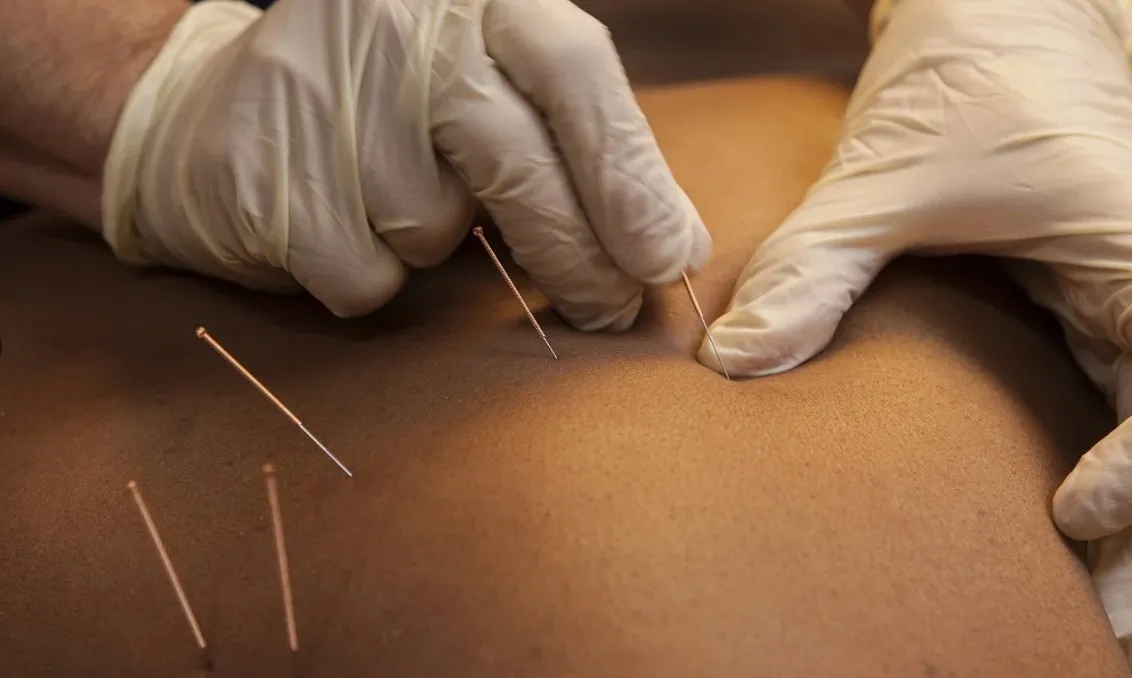
For individuals experiencing certain musculoskeletal problems, Dry Needling Physical Therapy in Austin may be worth discussing with a qualified physical therapy professional. Dry needling is a treatment technique that uses thin, sterile needles to target selected areas of muscle tissue, including sensitive points commonly associated with muscular tension. It may be incorporated into a broader rehabilitation program depending on the patient's condition, symptoms, and functional goals. Understanding how this technique works and how it relates to other physical therapy methods can help individuals make informed decisions about their care.
The Relationship Between Muscle Function and Daily Activities
Muscles perform an important role in almost every physical activity. They help stabilize joints, maintain posture, control movement, and provide the strength needed for everyday tasks. When muscles become irritated, overworked, or restricted, normal movement patterns may change. For example, shoulder discomfort can make reaching overhead challenging, while lower back stiffness may affect bending, sitting, and standing. These limitations can gradually influence work responsibilities, exercise routines, and personal activities.
Physical therapists evaluate how muscles and joints work together to identify factors contributing to movement difficulties. This may involve assessing flexibility, strength, posture, coordination, and functional movement patterns. A detailed assessment helps determine whether symptoms are associated with muscle tension, joint restrictions, weakness, or other physical concerns. Rather than focusing only on the uncomfortable area, an individualized rehabilitation approach considers the wider movement system and the activities the patient wants to perform more comfortably.
How Dry Needling Fits Into Physical Therapy?
Dry needling is a clinical technique performed by appropriately trained healthcare professionals using thin, sterile needles inserted into selected muscle tissue. The technique is commonly used to address certain muscular complaints and may be considered when an assessment identifies relevant areas of sensitivity or tension. Unlike acupuncture, which is based on traditional Chinese medicine principles, dry needling is generally applied within a musculoskeletal assessment and rehabilitation framework. It does not involve injecting medication or other substances into the muscle.
People exploring Dry Needling Physical Therapy in Austin should understand that this technique is not a standalone solution for every muscle or joint problem. A physical therapist first considers the patient's symptoms, medical history, physical findings, and treatment objectives. If dry needling is appropriate, it may be combined with other interventions such as therapeutic exercise, mobility training, and movement education. This allows treatment decisions to remain connected to the patient's overall rehabilitation needs rather than relying on one technique alone.
Managing Muscle Discomfort From Repetitive Work Activities
Daily work routines can place repeated demands on particular muscle groups. Office employees may spend extended periods sitting, typing, or looking at computer screens, while construction workers and other physically active professionals may perform frequent lifting, carrying, and bending movements. Repeating these activities without sufficient movement variation or recovery can contribute to muscular fatigue and discomfort. Over time, some individuals may notice stiffness that interferes with concentration, productivity, and physical comfort.
Physical therapy can help individuals understand how workplace habits and movement patterns affect their bodies. A rehabilitation professional may recommend posture adjustments, movement breaks, strengthening exercises, and flexibility activities according to the patient's needs. In selected cases, dry needling may also be considered as part of a wider treatment strategy. Dry Needling Physical Therapy in Austin can be discussed with a qualified provider to determine whether it is suitable for specific muscular concerns, rather than assuming that every type of workplace discomfort requires needle-based treatment.
Improving Physical Performance and Sports Rehabilitation
Athletes and fitness enthusiasts depend on strength, flexibility, balance, and coordination to perform physical activities effectively. Running, cycling, weight training, and team sports involve repeated muscle contractions and different movement demands. Changes in training intensity, exercise technique, or recovery habits can sometimes contribute to muscular discomfort and reduced movement tolerance. When these issues interfere with regular training, an individualized rehabilitation assessment may help identify appropriate ways to address them.
A physical therapy program may include movement analysis, progressive strengthening, flexibility exercises, and activity-specific training. Depending on the assessment, dry needling may be considered as an additional technique for selected muscular conditions. However, improving athletic performance involves more than addressing muscle tension. Appropriate training progression, adequate recovery, and correct movement mechanics are also important considerations. Rehabilitation goals should be based on the individual's physical condition and readiness to resume particular activities.
Why Personalized Treatment Plans Matter?
Every person has different physical demands, medical considerations, and rehabilitation goals. Someone experiencing neck discomfort from prolonged computer use may require a different treatment approach from an individual dealing with muscle soreness after sports activity. Even when two people report similar symptoms, the factors contributing to their discomfort may be different. This is why physical therapy should begin with an assessment rather than automatically applying the same techniques to every patient.
Carter Physiotherapy recognizes the importance of considering individual movement concerns when planning rehabilitation. A personalized program may include selected hands-on techniques, therapeutic exercises, mobility work, and education about physical activity. When Dry Needling Physical Therapy in Austin is considered, the practitioner should explain why it may be suitable, what the procedure involves, and whether alternative treatment options are available. Patients should also have the opportunity to discuss concerns and make informed decisions before treatment begins.
Safety Considerations Before Starting Dry Needling
Understanding the safety considerations associated with dry needling is an important part of choosing any physical therapy treatment. Although the procedure uses very thin needles, some individuals may experience temporary soreness, minor bleeding, bruising, or fatigue afterward. More serious complications, including infection or injury to deeper structures, are possible but uncommon. Treatment should be performed by a qualified professional who follows appropriate hygiene, needle-handling, and clinical safety procedures.
Patients should share relevant medical information before beginning treatment. Certain medications, bleeding disorders, pregnancy-related considerations, skin infections, and other health conditions may require additional precautions or make dry needling unsuitable. A physical therapist should review these factors and explain the potential risks and benefits based on the individual's circumstances. People experiencing severe or unexplained symptoms should obtain an appropriate medical evaluation instead of assuming that muscular treatment is the correct option.
Combining Dry Needling With Active Rehabilitation
Physical therapy involves helping individuals develop the movement capacity needed for everyday activities. While dry needling may be considered for specific muscular concerns, active rehabilitation is often an important part of improving strength, coordination, stability, and flexibility. Exercises can be selected to address weaknesses, improve movement control, and gradually increase tolerance for physical activities. The program should progress according to the patient's abilities and response to treatment.
For example, someone experiencing shoulder restrictions may need strengthening exercises for the muscles supporting the shoulder joint, while an individual with lower body movement difficulties may benefit from balance training and hip mobility work. A comprehensive program may also include education about activity modification and appropriate exercise habits. By combining suitable interventions, Carter Physiotherapy can help patients understand how different rehabilitation methods relate to their individual movement goals.
Conclusion
Muscle discomfort, repetitive physical demands, and restricted movement can affect a person's ability to participate comfortably in everyday activities. Understanding the available rehabilitation options can help individuals make informed decisions about their physical health. Dry needling is one technique that may be considered for selected musculoskeletal concerns following a professional assessment. Its role should be evaluated as part of a broader treatment strategy that considers exercise, movement quality, individual safety, and functional goals.
Carter Physiotherapy focuses on personalized physical rehabilitation and movement-related care for individuals with different physical needs. Anyone considering Dry Needling Physical Therapy in Austin should begin with an appropriate evaluation and discuss whether this technique fits their condition and treatment objectives. With suitable professional guidance and active participation in rehabilitation, individuals can work toward better movement, improved physical function, and greater confidence in their daily routines.