Construction projects generate large amounts of debris, including wood, drywall, roofing materials, concrete, packaging, and general demolition waste. Managing this material properly is essential for maintaining an organized and productive job site.
Construction dumpsters for rent provide a convenient solution for collecting and removing construction debris throughout a project. These containers allow contractors, builders, property owners, and renovation professionals to manage waste without relying on ordinary garbage collection.
Choosing the right dumpster requires understanding container sizes, rental costs, weight restrictions, accepted materials, and delivery requirements. A suitable rental arrangement can help reduce unnecessary hauling, maintain a cleaner work area, and support efficient project operations.
What Are Construction Dumpsters?
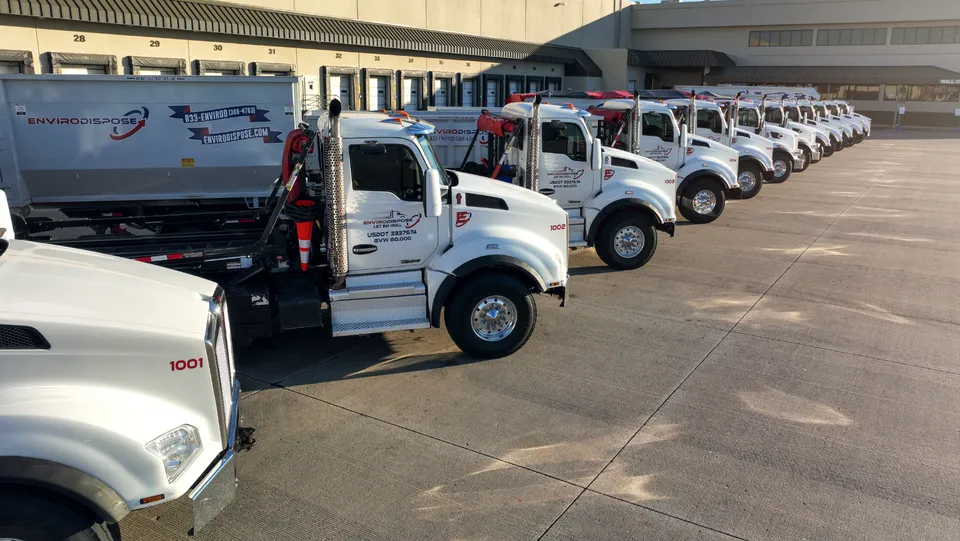
Construction dumpsters are heavy-duty waste containers designed to handle debris generated during building, remodeling, demolition, and renovation projects. Most are roll-off containers delivered to a job site by specialized trucks.
Unlike standard household garbage bins, construction dumpsters offer greater capacity and are designed for larger volumes of building materials.
How Roll-Off Construction Dumpsters Work
A roll-off dumpster is transported on a specialized truck and placed at an agreed location. Workers load construction debris into the container while the project is underway.
When the container is full or the rental period ends, the rental provider arranges collection and transportation to an appropriate disposal or processing facility.
The typical rental process includes:
-
Selecting a suitable dumpster size
-
Confirming the type of construction debris
-
Scheduling delivery to the job site
-
Loading approved materials
-
Arranging pickup or container exchange
Roll-off dumpsters help centralize construction waste and reduce the need for repeated trips to disposal facilities.
Common Construction Dumpster Applications
Construction dumpsters can support many types of projects, including:
-
New residential construction
-
Commercial building projects
-
Home remodeling
-
Kitchen and bathroom renovations
-
Roofing replacements
-
Interior demolition
-
Flooring and drywall removal
-
Landscaping and property improvements
The container size and waste category should match the materials generated by the specific project.
Construction Dumpster Sizes and Their Uses
Selecting the right dumpster size is essential for managing construction debris efficiently. A container that is too small may require additional pickups, while an oversized container may increase rental expenses unnecessarily.
The following sizes are common options in the roll-off rental market. Availability and dimensions vary by provider.
10-Yard Construction Dumpster
A 10-yard dumpster is generally suitable for smaller projects involving heavy debris or limited demolition waste.
Common applications include:
-
Small concrete removal projects
-
Driveway repairs
-
Minor bathroom renovations
-
Small roofing jobs
-
Limited demolition work
This size can be particularly useful for heavy materials because a smaller container may help prevent excessive loading beyond the permitted weight limit.
15-Yard Construction Dumpster
A 15-yard dumpster offers additional capacity for projects that generate moderate amounts of debris.
It may be suitable for:
-
Small home remodeling projects
-
Garage renovations
-
Flooring removal
-
Moderate roofing work
-
Small construction cleanouts
This size provides a practical option when a 10-yard container may not offer enough space.
20-Yard Construction Dumpster
A 20-yard dumpster is a popular option for residential construction and renovation projects. It provides substantial capacity without requiring the largest available container.
Typical applications include:
-
Kitchen and bathroom remodeling
-
Multi-room renovation
-
Roof replacement
-
Large property cleanouts
-
General construction debris
It can accommodate many common building materials, subject to the provider's weight and disposal restrictions.
30-Yard Construction Dumpster
A 30-yard dumpster is designed for larger projects that generate substantial quantities of construction debris.
Common uses include:
-
Large home renovations
-
Commercial remodeling
-
Building additions
-
Office renovations
-
Extensive demolition cleanup
Contractors working on larger properties may benefit from this size because it provides additional space for bulky materials.
40-Yard Construction Dumpster
A 40-yard dumpster is among the largest standard roll-off options. It is generally intended for major construction and demolition projects.
Typical applications include:
-
Large commercial construction
-
Extensive building renovations
-
Major demolition projects
-
Large-scale property cleanouts
-
Multi-unit construction projects
Because of its capacity, this container requires sufficient placement space and careful attention to weight restrictions.
Construction Dumpster Size Comparison
| Dumpster size | Typical project | Common applications |
|---|---|---|
| 10 yard | Small project | Concrete and minor demolition |
| 15 yard | Small to medium project | Flooring and roofing |
| 20 yard | Medium project | Home remodeling |
| 30 yard | Large project | Commercial renovations |
| 40 yard | Major project | Construction and demolition |
Actual container dimensions, capacity, and weight allowances vary by rental provider. Heavy materials may require special containers or loading arrangements.
How Much Does It Cost to Rent a Construction Dumpster?
The cost of construction dumpsters for rent depends on several factors. There is no single rental price that applies to every project because location, container size, debris type, and rental duration can influence the final estimate.
Customers should request a project-specific quote before scheduling delivery.
Factors Affecting Rental Prices
1. Dumpster Size
Larger dumpsters generally have higher rental rates because they offer more capacity and require different transportation arrangements.
2. Project Location
Transportation distance, local disposal costs, and service availability can affect the rental price.
3. Type of Construction Debris
Concrete, dirt, brick, and other heavy materials may have different disposal requirements from ordinary renovation debris.
4. Rental Duration
A rental agreement may include a specified period. Keeping the dumpster longer than the agreed duration can result in additional charges.
5. Total Waste Weight
Dumpster rentals commonly include a weight allowance. Exceeding that allowance may increase the final cost.
Additional Charges to Consider
Before confirming a rental, customers should ask whether the estimate includes:
-
Delivery and pickup
-
Disposal fees
-
Included rental days
-
Excess weight charges
-
Additional rental days
-
Container exchange fees
-
Overfilled dumpster charges
-
Applicable taxes
A written rental estimate helps contractors understand the complete cost rather than focusing only on the initial advertised price.
What Materials Can Go in Construction Dumpsters?
Construction dumpsters can accept various types of nonhazardous debris, depending on the selected container and rental agreement.
Commonly Accepted Construction Materials
Materials that may be accepted include:
-
Wood and lumber
-
Drywall
-
Flooring materials
-
Certain plastics
-
Cardboard and packaging
-
Nonhazardous renovation debris
-
Approved demolition materials
Some providers offer dedicated containers for heavy materials such as concrete, asphalt, brick, and dirt.
Restricted and Prohibited Materials
Certain materials require special handling and should not be placed in a standard construction dumpster without prior approval.
Examples include:
-
Asbestos-containing materials
-
Hazardous chemicals
-
Paints and solvents
-
Flammable liquids
-
Batteries
-
Medical waste
-
Certain electronic equipment
-
Tires
-
Refrigerants and certain appliances
Contractors should confirm material restrictions before loading the container. Improper disposal can create safety risks, additional charges, and collection delays.
How to Rent a Construction Dumpster
Renting a construction dumpster becomes easier when project requirements are identified before contacting a provider.
Step 1: Estimate the Amount of Debris
The contractor should estimate the expected waste volume based on the project scope. Demolition, roofing, and remodeling projects can generate different quantities of debris.
Step 2: Select the Appropriate Size
The selected container should accommodate the estimated debris without exceeding its weight allowance. A provider can help compare suitable sizes.
Step 3: Confirm the Accepted Materials
Customers should explain whether the project involves wood, drywall, roofing shingles, concrete, soil, or mixed construction waste.
This information helps determine whether a standard roll-off dumpster or a specialized container is required.
Step 4: Request a Rental Estimate
The estimate should include the rental price, weight allowance, rental period, delivery arrangements, pickup conditions, and possible additional fees.
Step 5: Prepare the Job Site
The delivery location should be accessible, reasonably level, and clear of obstacles.
Contractors should consider:
-
Truck access and turning space
-
Overhead wires and tree branches
-
Pedestrian routes
-
Construction equipment movement
-
Ground conditions
-
Local placement and permit requirements
Step 6: Load the Dumpster Safely
Materials should be distributed evenly throughout the container. Waste must remain below the fill line, and heavy materials should be loaded according to the provider's instructions.
Step 7: Schedule Pickup or Exchange
Once the container is full or the project reaches the required stage, the contractor can arrange pickup or request an empty replacement container.
Tips for Choosing the Right Construction Dumpster
Selecting a rental container requires considering more than its advertised capacity.
Match the Container to the Project
A small renovation may need a 10- or 15-yard container, while a major commercial project may require a 30- or 40-yard dumpster.
The choice should reflect the project's expected waste volume and material type.
Consider Weight Restrictions
Heavy construction materials can reach weight limits quickly. Contractors handling concrete, brick, dirt, or asphalt should confirm the permitted weight before ordering.
Plan Dumpster Placement
A convenient location helps workers dispose of debris without interrupting construction activities. The placement area should also allow the collection truck to retrieve the container safely.
Review the Rental Agreement
Customers should understand rental duration, pickup arrangements, weight allowances, and additional charges before signing.
Keep Construction Waste Organized
Separating recyclable materials and restricted waste can simplify disposal. It can also help prevent contamination of general construction debris.
Frequently Asked Questions
What size construction dumpster is best for a home renovation?
A 20-yard dumpster is often suitable for medium-sized home renovations. Smaller projects may require a 10- or 15-yard container, while extensive remodeling may need a larger option.
How long can a construction dumpster be rented?
Rental duration depends on the provider and agreement. Customers should confirm the included rental period and additional charges for extensions.
Can concrete go in a construction dumpster?
Concrete may be accepted, but it is extremely heavy. A dedicated heavy-debris container or special weight allowance may be required.
Are construction dumpsters suitable for roofing projects?
Yes. Roll-off dumpsters are commonly used for roofing shingles, underlayment, and other approved roofing debris. The container size should match the roof area and material weight.
Can a construction dumpster be placed on a public street?
Placement rules vary by location. A street or public right-of-way may require authorization or a permit before delivery.
What happens if a construction dumpster exceeds its weight limit?
The provider may apply excess weight charges or require special arrangements. Customers should review the weight allowance before loading heavy materials.
Can contractors schedule multiple dumpster pickups?
Many rental providers offer pickup and replacement arrangements. This option can help larger construction projects maintain continuous waste collection.
Conclusion
Construction dumpsters for rent provide an efficient way to manage debris from residential building, commercial construction, remodeling, and demolition projects. Different roll-off sizes allow contractors to select containers according to project requirements, waste volume, and material weight.
Before renting, customers should compare container sizes, confirm accepted materials, review rental costs, and prepare a suitable delivery location. Understanding weight restrictions and rental terms can also help prevent unexpected expenses.
The right construction dumpster supports a cleaner job site, more organized waste collection, and efficient project management.