Orthokeratology treatment reshapes the cornea overnight, so vision is clearer during the day. Here is what the benefits, drawbacks and suitability checks involve before anyone starts wearing them.
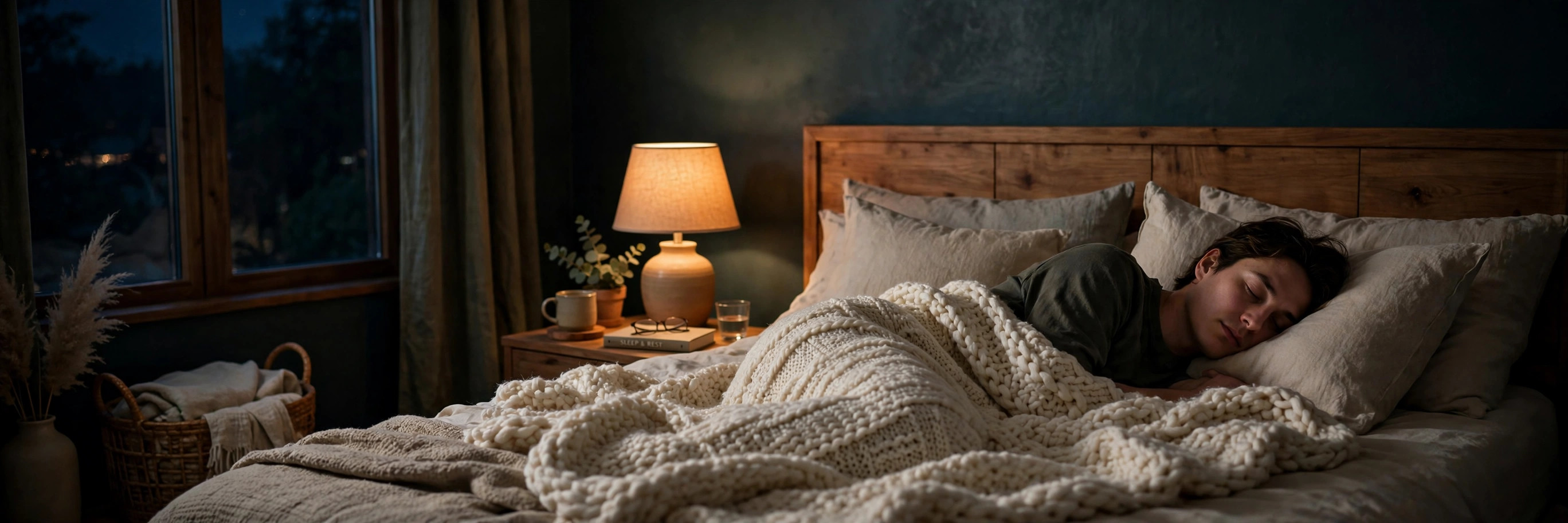
Waking up and seeing clearly without reaching for glasses or lenses appeals to many people. For some, orthokeratology treatment, often called ortho-k, makes that possible. The method uses specially designed rigid lenses worn overnight to gently reshape the front surface of the eye, so vision is corrected during the day without glasses or daytime lenses.
How Orthokeratology Works
Orthokeratology is the deliberate Orthokeratology lenses reshaping of the cornea using specialty contact lenses. The effect is temporary and reversible, so the cornea gradually returns to its original shape once the lenses are no longer worn. Modern designs use highly oxygen-permeable materials and reverse geometry, which allow the lenses to reshape the cornea while they are worn during sleep. Over the course of the night, the lens applies gentle pressure to the central cornea while surrounding tissue shifts, flattening the centre so that light focuses more accurately on the retina.
Pros of Ortho-K
A Non-Surgical Alternative to LASIK
Orthokeratology lenses correct short-sightedness without cutting into the cornea. LASIK, by comparison, is a surgical procedure that uses a laser to change the shape of the cornea permanently. For people who want less reliance on glasses without surgery, orthokeratology treatment offers a reversible option. Suitability still depends on clinical assessment.
Daytime Freedom from Glasses and Contact Lenses
Because the correction happens overnight, wearers can spend the day without glasses or daytime contact lenses. This suits people who play sport, work outdoors, or simply prefer not to wear lenses during the day.
Myopia Control in Children
Myopia, or short-sightedness, often progresses through childhood and adolescence. Myopia progression is closely linked to growth in the length of the eye, known as axial elongation. The American Academy of Ophthalmology reports that orthokeratology may be effective in slowing myopic progression in children and adolescents, with a potentially greater effect when treatment starts at a younger age, such as around six to eight years. Across the studies it reviewed, ortho-k typically reduced axial elongation by about half over a two-year period, compared with spectacles or daytime contact lenses.
Most of those studies involved children of Asian ethnicity, so results may vary across other populations. Parents should weigh this evidence alongside other myopia management options, and discuss them with an optometrist before making a decision.
Clear Vision on Waking
Because the lenses are worn during sleep, vision is typically clear once they are removed in the morning. For many people, this means a simple routine with no need to reach for glasses straight after waking.
Cons of Ortho-K
Not Permanent
The correction fades when wear stops. The American Academy of Ophthalmology notes that rebound can occur after discontinuation or after a change to another refractive treatment. Continued use is needed to maintain the effect, which makes orthokeratology a long-term commitment rather than a one-off fix.
Potential Cost
Fitting, lenses, replacements, cleaning solutions and follow-up appointments all add to the total. Costs vary between practices and lens types, so a detailed quote during consultation is the sensible way to compare options.
Adaptation Period
Early wear often involves an adjustment period while the eyes settle into their new shape. Vision can fluctuate during the first days, and the optometrist monitors progress through follow-up visits.
Maintenance and Hygiene
Lenses need careful cleaning, disinfection and storage every day. Clinical reviews of orthokeratology give considerable attention to lens hygiene and disinfection routines, which form a central part of its safety profile. Missed cleaning steps or irregular wear can make an existing risk worse.
Infection Risk
Overnight lens wear carries a risk of microbial keratitis, a corneal infection that can threaten vision if it is not treated quickly. The American Academy of Ophthalmology describes safety as an ongoing concern for this reason. Wearers should report redness, eye pain, light sensitivity or blurred vision promptly rather than waiting for symptoms to settle.
Not Suitable for Everyone
Some people are not good candidates for overnight lenses, and orthokeratology is not a universal answer to short-sightedness. Certain prescriptions, corneal shapes, active eye infections and lifestyle factors can rule it out.
Living with Ortho-K
Day-to-day life with orthokeratology follows a predictable rhythm. Lenses are removed in the morning, cleaned and stored in fresh disinfecting solution, and then inserted again at bedtime. Many wearers find the routine becomes automatic within a few weeks, although each person’s pattern differs.
Follow-up appointments matter just as much as the lenses themselves. At these visits the optometrist checks corneal health, reviews the way the lenses are fitting and confirms that the Orthokeratology treatmentprescription is still being corrected. Lens replacement schedules are also reviewed at this stage, because worn lenses can change how the cornea responds.
Wearers who experience sudden discomfort, redness or changes in vision should stop wearing the lenses and contact the clinic promptly. Early attention is the safest approach, because small problems can become more serious if they are ignored.
Common Misconceptions
Several myths circulate about orthokeratology. One common belief is that the treatment changes the eye permanently. In fact, the effect is reversible, and the cornea returns toward its original shape once the lenses are no longer used.
Another misconception is that the lenses can be worn for long periods without supervision. Wear schedules, cleaning routines and follow-up visits are all part of safe use, and skipping them can increase risk.
A third belief is that children are never suitable candidates. Ortho-K is often considered for children with progressing myopia, but suitability is decided on an individual basis after assessment, rather than by age alone.
Who Might Be a Good Candidate?
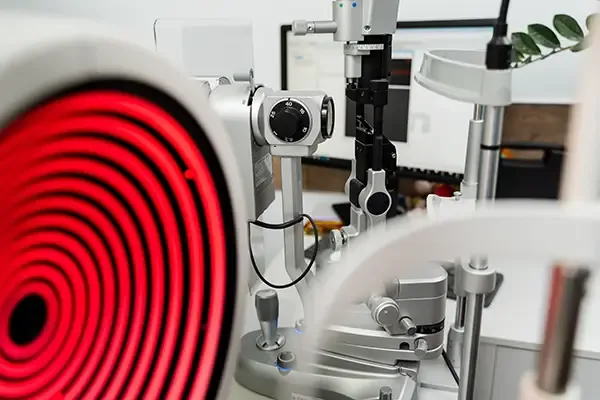
Suitability depends on the prescription, the shape and health of the cornea, the overall condition of the eyes and the ability to follow a strict lens care routine. The assessment typically includes a full eye examination and corneal mapping, which measures the curvature of the front surface of the eye.
Children and teenagers with progressing myopia may be considered, particularly where myopia control is a priority. Adults with suitable prescriptions can also be assessed. In each case, the decision rests on clinical findings rather than on a general recommendation.
Questions to Ask Before Starting
-
Is the prescription and corneal shape suitable for overnight lenses?
-
What are the full costs of fitting, lenses and follow-up care?
-
What lens care routine is required, and how will compliance be monitored?
-
What alternatives are available if orthokeratology is not appropriate?
Conclusion
Orthokeratology treatment offers genuine advantages, especially for daytime freedom and myopia management in children, yet it asks for discipline and careful monitoring. Anyone weighing the option should book a consultation with optometry@cooroy through optometryatcooroy.com.au. The team can assess suitability, outline costs and discuss balanced alternatives, including spectacles, daytime contact lenses and other myopia management options. Clear information at the start tends to lead to better decisions, and a well-informed patient is better placed to follow the lens care routine that safe wear depends on.