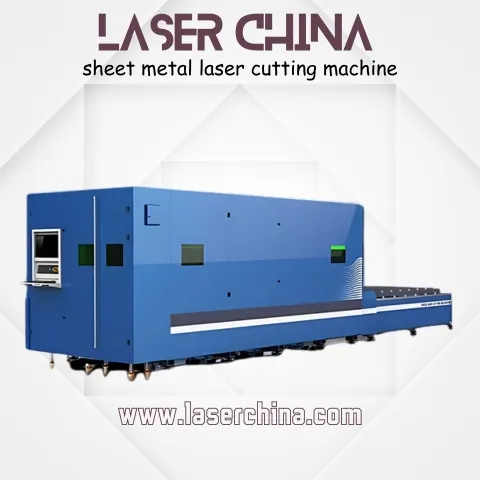
Metal fabrication industries are continuously adopting advanced technologies to improve production speed, accuracy, and efficiency. Laser cutting has become an essential solution for manufacturers working with different types of metal sheets. A sheet metal laser cutting machine uses a concentrated laser beam to cut metal materials into precise shapes and sizes while maintaining clean edges and consistent quality.
From small fabrication workshops to large industrial manufacturing facilities, this technology supports a wide range of production requirements. Its ability to process complex designs makes it a valuable investment for businesses looking to improve their manufacturing capabilities.
How Does Laser Cutting Technology Work?
Laser cutting works by directing a high-energy laser beam onto the surface of a metal sheet. The concentrated heat melts or vaporizes the material along a programmed cutting path. An assist gas, such as oxygen or nitrogen, helps remove molten material from the cutting area and produces a cleaner finish.
The cutting process is controlled through CNC (Computer Numerical Control) technology. Operators can upload digital designs and adjust cutting parameters according to material type, thickness, and production requirements. This automated process helps maintain accuracy across repeated cutting operations.
Materials Suitable for Laser Cutting
Modern laser cutting equipment can process several types of metal materials, depending on the machine's power and configuration. Common applications include:
Stainless Steel: Frequently used in kitchen equipment, industrial components, architectural products, and decorative metalwork.
Carbon Steel: Widely processed for machinery parts, automotive components, construction materials, and structural fabrication.
Aluminum: Suitable for manufacturing lightweight components, electrical enclosures, transportation parts, and industrial products.
Brass and Copper: Used in electrical components, decorative products, precision parts, and specialized industrial applications.
Selecting the correct laser power and cutting settings is important for achieving consistent results across different materials.
Applications Across Different Industries
Laser cutting technology serves numerous manufacturing sectors because of its flexibility and precision. In the automotive industry, it is used to produce brackets, panels, frames, and other metal components. Construction companies use laser-cut materials for structural elements, decorative panels, and customized architectural designs.
Electrical equipment manufacturers also rely on accurate metal cutting to produce cabinets, control boxes, and protective enclosures. Meanwhile, furniture manufacturers use this technology to create decorative metal structures and customized designs.
For businesses handling different production orders, a sheet metal laser cutting machine provides an efficient way to manufacture both simple components and complicated designs with consistent dimensions.
Choosing the Right Laser Cutting Equipment
Selecting suitable equipment requires careful consideration of production requirements. Laser power is one of the most important factors because it determines the cutting capacity for different metal thicknesses. Businesses should evaluate the materials they process regularly before choosing a suitable power configuration.
The working table size is another important consideration. A larger cutting area can accommodate bigger metal sheets and support higher-volume production. CNC control systems, cutting head quality, machine stability, and software compatibility should also be evaluated.
Additionally, buyers should consider the manufacturer's technical support, spare parts availability, installation services, and warranty conditions. Reliable after-sales assistance helps maintain production continuity and supports long-term equipment performance.
Maintenance and Operating Considerations
Regular maintenance is essential for keeping laser cutting equipment in good working condition. Operators should inspect protective lenses, clean the cutting area, check assist gas connections, and maintain the cooling system according to manufacturer recommendations.
The machine should also be operated using suitable cutting parameters for each material. Proper training helps operators understand machine controls, follow safety procedures, and identify potential operating issues before they affect production.
Keeping the working environment clean and following scheduled maintenance procedures can help extend equipment service life.
Final Thoughts
Laser cutting technology continues to transform modern metal fabrication by making complex cutting operations more precise and efficient. Investing in a suitable sheet metal laser cutting machine allows manufacturers to handle diverse materials, produce customized components, and meet demanding production standards.
Before purchasing, businesses should compare machine specifications, cutting capacity, manufacturer experience, and technical support. Choosing equipment that matches actual production needs can help establish a reliable manufacturing process and create new opportunities for business growth.