Selecting the right material is essential for achieving durability, performance and operational efficiency in industrial applications. Stainless Steel is widely used across manufacturing, engineering, construction and fabrication because of its corrosion resistance, strength and versatility. However, choosing the correct grade requires an understanding of its chemical composition, mechanical properties and intended operating environment.
For businesses purchasing industrial materials, understanding these differences can help prevent unnecessary costs and improve long-term product reliability.
What Makes Stainless Steel Suitable for Industrial Applications?
Stainless steel is an iron-based alloy containing at least approximately 10.5% chromium. Chromium forms a thin protective oxide layer on the surface, helping the material resist corrosion and oxidation.
Depending on its composition, stainless steel can also offer excellent formability, weldability, strength, machinability and heat resistance. These characteristics make it suitable for manufacturing machinery, automotive components, processing equipment, structural applications and industrial fabrication.
Understanding Popular Stainless Steel Grades
Different grades are developed to meet specific performance requirements. Some commonly used options include:
SS 303: Known for improved machinability, this grade is commonly selected for precision-machined components, fittings and fasteners.
SS 304: One of the most widely used stainless steel grades, SS 304 offers good general corrosion resistance and formability. It is suitable for fabrication, food-processing equipment and industrial applications.
SS 304L: This low-carbon variation of SS 304 is frequently used in welded structures where reduced sensitisation risk is important.
SS 316: Containing molybdenum, SS 316 provides improved resistance to pitting and crevice corrosion, particularly in chloride-containing environments.
SS 316L: This low-carbon version of SS 316 is commonly considered for welded equipment exposed to demanding operating conditions.
SS 410 and SS 431: These martensitic grades offer different combinations of hardness, strength and mechanical performance.
Duplex 2205: This grade combines high strength with enhanced corrosion resistance, making it suitable for demanding industrial applications.
Four Factors to Consider When Choosing Stainless Steel
1. Environmental Conditions
Consider whether the material will be exposed to moisture, chemicals, high temperatures or chlorides. For example, SS 316 is often preferred over SS 304 in environments involving chloride exposure. However, highly aggressive conditions may require specialised materials.
2. Mechanical Strength
The selected grade should meet the application's requirements for tensile strength, hardness, toughness and load-bearing capacity. Engineering specifications should guide the final selection.
3. Fabrication and Machining Needs
Manufacturing processes influence material selection. Some grades are better suited to machining, while others are commonly selected for welding, forming or fabrication. Understanding the production process helps avoid material-related complications.
4. Product Dimensions and Availability
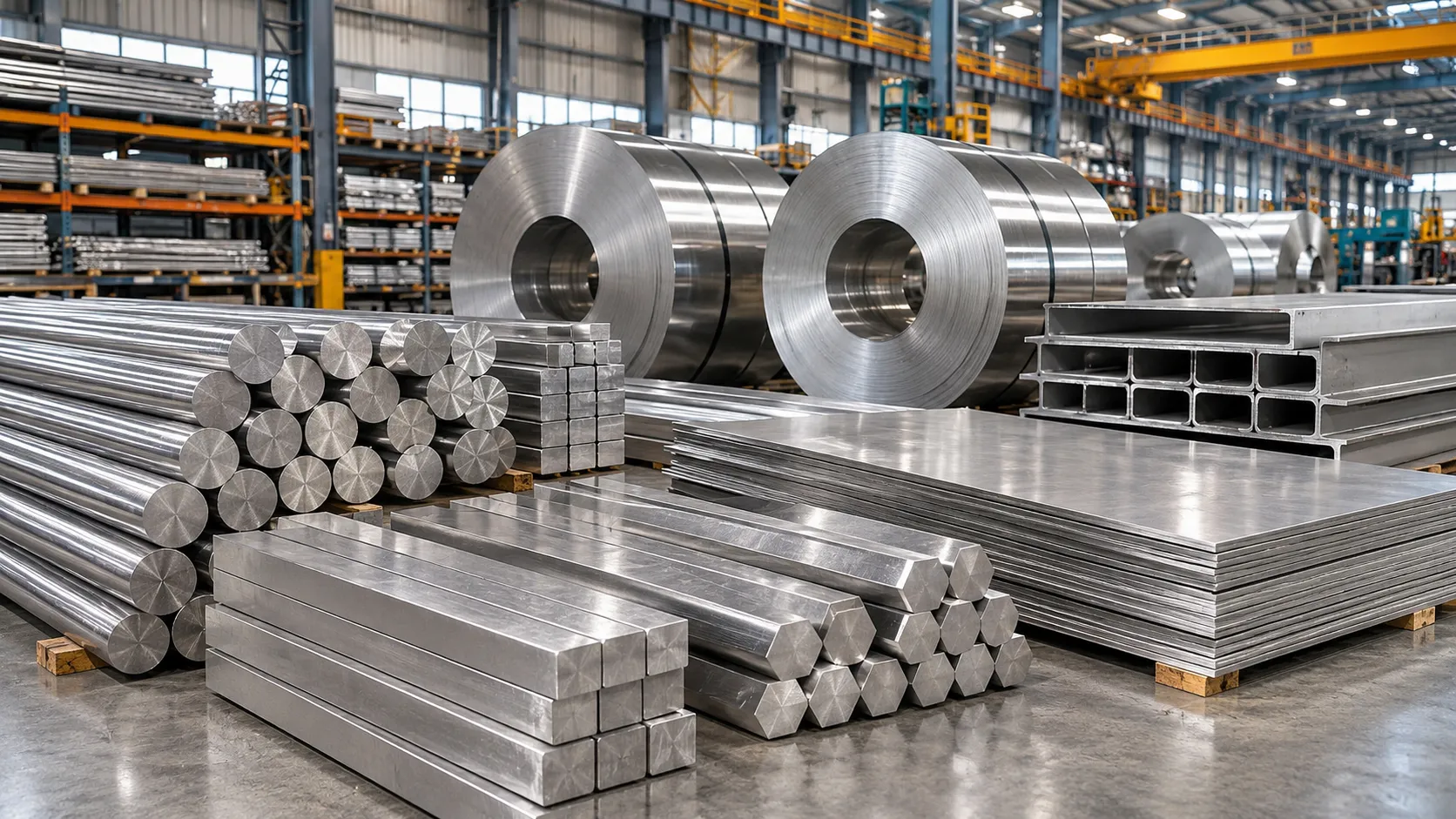
Stainless steel is available in several forms, including round bars, flat bars, hex bars, plates, coils and structural sections. Buyers should confirm dimensions, tolerances, quantities and applicable standards before procurement.
Why Reliable Stainless Steel Suppliers Matter
Choosing the correct grade is only one part of successful material procurement. Working with dependable Stainless Steel Suppliers can help businesses source materials according to their technical and commercial requirements.
Before finalising an order, buyers should verify the material grade, chemical composition, dimensional specifications and relevant Mill Test Certificates (MTCs). They should also evaluate stock availability, delivery schedules and quotation transparency.
Steel Exchange offers multiple stainless steel grades and product categories, including round bars, flat bars, hex bars, plates, coils and structural sections. The company highlights mill test certificate verification, custom sourcing requirements and pan-India delivery.
Businesses looking for suitable stainless steel materials can explore the Stainless Steel products offered by Steel Exchange.
Conclusion
Selecting the right stainless steel grade requires careful consideration of environmental exposure, mechanical requirements, fabrication methods and product specifications. A technically informed purchasing decision can improve material performance, minimise avoidable maintenance and support efficient industrial operations. Partnering with a reliable supplier further helps ensure that the procured material matches the intended application.
Frequently Asked Questions
Which stainless steel grade is best for general industrial applications?
SS 304 is a popular general-purpose option because of its corrosion resistance, formability and versatility. The final selection depends on operating conditions.
What is the difference between SS 304 and SS 316?
SS 316 contains molybdenum, which generally provides better resistance to chloride-related pitting and crevice corrosion than SS 304.
What documents should buyers request when purchasing stainless steel?
Buyers should request the applicable Mill Test Certificate, material grade details, chemical composition and mechanical test information.
Why should stainless steel grade be verified before purchase?
Grade verification helps ensure that the supplied material meets the required technical specifications and is suitable for its intended application.