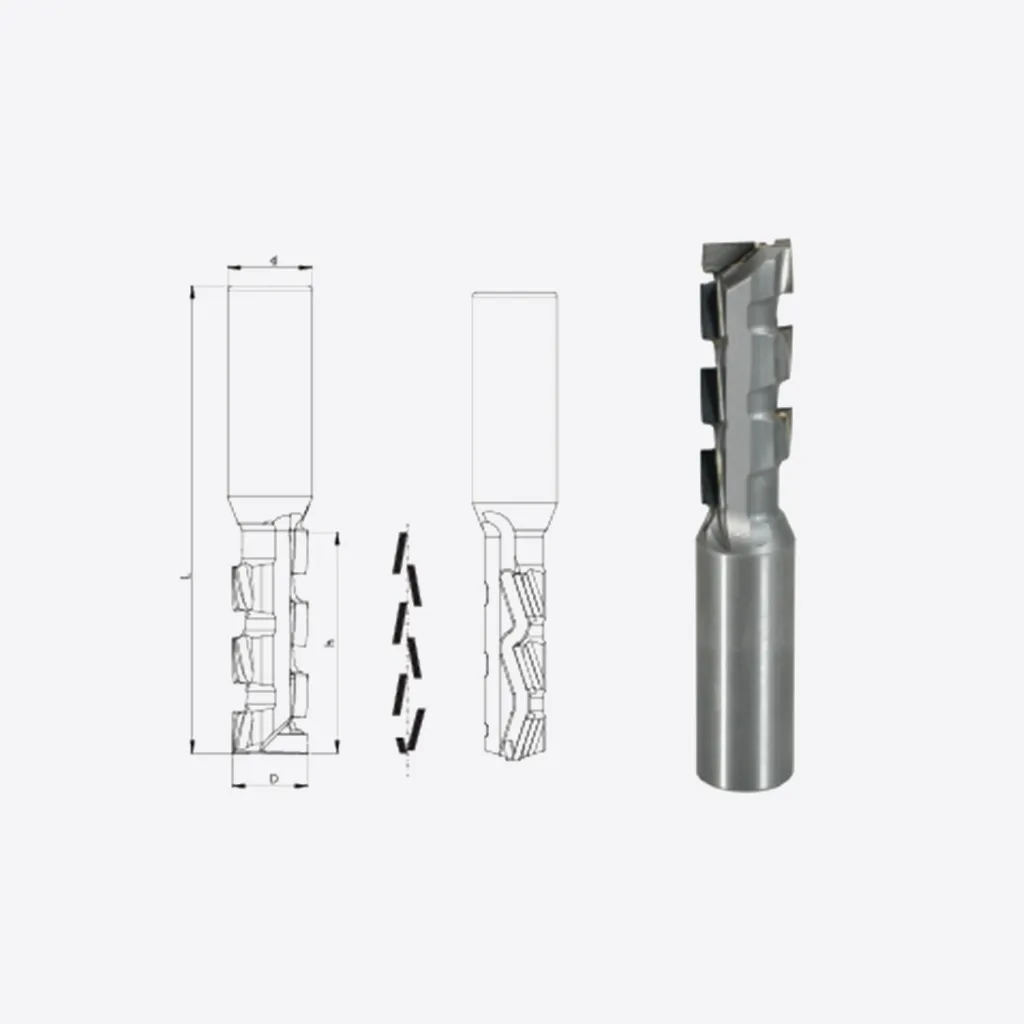
Choosing the right cutting tools is essential for achieving precision, productivity, and consistent results in manufacturing and woodworking operations. Router cutters and PCD tooling are widely used in industrial applications where cutting accuracy, surface quality, and tool performance matter. However, selecting suitable tools requires understanding material compatibility, cutting requirements, machine specifications, and overall durability.
Whether you operate a woodworking workshop, furniture manufacturing facility, or industrial machining business, investing in quality router cutters and PCD tooling can improve production efficiency.
1. Understand Your Cutting Application
Before purchasing router cutters, identify the materials and operations involved in your production process. Different cutters are designed for specific applications, including grooving, profiling, trimming, shaping, and edge finishing.
For example, woodworking professionals may require router cutters for MDF, plywood, hardwood, and laminated boards. Selecting a cutter designed for the intended material helps achieve cleaner cuts and reduces unnecessary tool wear.
PCD tooling is particularly useful in applications involving abrasive materials where extended tool life and consistent cutting performance are important.
2. Consider Material Quality and Tool Construction
The quality of cutting materials directly affects tool performance. Router cutters manufactured with suitable carbide grades can provide durability, sharp cutting edges, and reliable machining results.
Polycrystalline diamond (PCD) tooling uses synthetic diamond cutting edges, offering excellent hardness and wear resistance. It is commonly used for machining abrasive materials such as particleboard, MDF, laminated panels, and certain composite materials.
When comparing products, evaluate cutting-edge quality, tool construction, manufacturing standards, and application suitability.
3. Check Machine Compatibility
Not every router cutter or PCD tool is suitable for every machine. Before purchasing, check the machine's spindle specifications, tool holder requirements, shank diameter, cutting diameter, and maximum operating speed.
Using incompatible tooling can affect machining accuracy, increase vibration, and create unnecessary operational problems.
Consulting the machine manufacturer or tooling supplier can help ensure that the selected products meet your equipment requirements.
4. Evaluate Cutting Precision and Performance
Precision is important for businesses producing furniture components, decorative profiles, cabinets, and other finished products.
High-quality router cutters help achieve accurate dimensions, smoother edges, and consistent profiles. PCD tooling can also support longer production runs by maintaining cutting performance when used under appropriate operating conditions.
Consider factors such as cutting geometry, number of cutting edges, feed rate, spindle speed, and material characteristics when selecting industrial cutting tools.
5. Compare Tool Life and Long-Term Value
Purchase price should not be the only consideration when choosing cutting tools. Tool replacement frequency, sharpening requirements, downtime, and production efficiency also influence overall operating costs.
Although PCD tooling may require a higher initial investment than conventional carbide alternatives, its wear resistance can provide long-term value in suitable high-volume applications.
Comparing total operating costs helps businesses make more informed purchasing decisions.
6. Choose a Reliable Cutting Tool Supplier
Finding a dependable supplier is important for accessing suitable tooling and technical product information. Saws and Cutting Tools Direct offers cutting tool solutions for professionals and businesses looking for router cutters, PCD tooling, and other industrial cutting products.
Buyers should review product specifications, application details, availability, and supplier support before placing an order.
Conclusion
Selecting the right router cutters and PCD tooling requires careful consideration of material compatibility, tool construction, machine specifications, cutting precision, and long-term value. By evaluating these factors, manufacturers and woodworking professionals can improve machining efficiency and achieve consistent production results. Saws and Cutting Tools Direct is worth exploring when sourcing cutting tools for professional and industrial applications.




