Buying a condominium can offer convenience, shared amenities, and a lower-maintenance lifestyle. However, purchasing a condo is different from buying a single-family home. In addition to evaluating the individual unit, buyers should understand the condition of the building, shared systems, common areas, and condominium association.
A professional condo inspection can help identify visible problems inside the unit before a purchase is finalized. It can also help buyers understand which issues may require further evaluation by specialists or the condominium association. In Florida, where humidity, heavy rain, coastal conditions, and aging buildings can create additional maintenance concerns, careful evaluation is especially important.
Here are ten important areas buyers should consider before closing on a condominium in 2026.
1. Check Walls, Ceilings, and Floors
Interior surfaces can reveal signs of water intrusion, settlement, and previous repairs. During an inspection, pay attention to:
-
Cracks in walls and ceilings.
-
Water stains or discoloration.
-
Bubbling or peeling paint.
-
Soft or damaged flooring.
-
Loose tiles and deteriorating grout.
-
Unusual odors or visible moisture.
In Florida condos, moisture deserves particular attention. Water can enter through windows, balconies, plumbing connections, roofs, or neighboring units. Not every stain indicates an active leak, but unexplained damage should be investigated.
2. Evaluate the Plumbing System
Plumbing issues can cause expensive repairs and affect neighboring units. An inspection should include accessible plumbing fixtures and visible components.
Check faucets, sinks, showers, toilets, exposed pipes, and drains for leaks, corrosion, or improper operation. Look beneath bathroom and kitchen cabinets for moisture damage and signs of previous repairs.
Ask whether the unit has experienced recurring plumbing problems. Also clarify which plumbing components are maintained by the unit owner and which are the association's responsibility.
3. Inspect Electrical Components
Electrical problems can create safety concerns and may require attention from a licensed electrician.
Important areas include:
-
Electrical panel condition and accessible labeling.
-
Visible wiring and connections.
-
Outlets and switches.
-
GFCI protection where applicable.
-
Signs of overheating or corrosion.
-
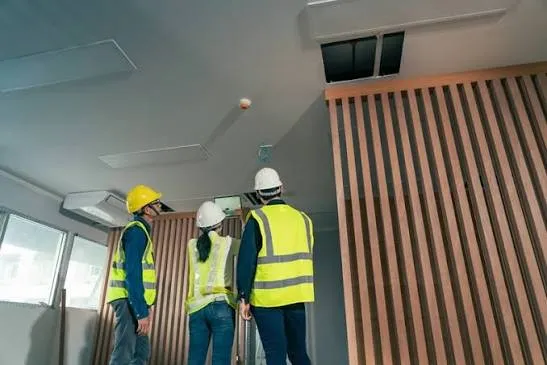
Smoke alarms and other applicable safety devices.
A standard inspection evaluates accessible components within its scope. It does not replace a comprehensive electrical assessment or guarantee that concealed wiring defects will be identified.
4. Examine the HVAC System
Air conditioning is essential for comfort in Florida, and condominium HVAC systems require regular maintenance.
An inspector may evaluate the system's response to normal operating controls, visible equipment condition, accessible ductwork, and signs of condensation or leakage.
Buyers should also ask about the age of the equipment, maintenance records, and responsibility for repairs. Some condominiums have individual HVAC systems, while others have shared or centralized arrangements.
5. Look for Window and Balcony Problems
Windows and balconies are important areas to evaluate, particularly in coastal Florida communities.
Look for damaged window frames, deteriorated seals, cracked glass, water intrusion, and signs of corrosion. If the unit has a balcony, examine accessible surfaces, railings, drainage, and visible deterioration.
Do not assume that a private balcony is maintained by the unit owner. Responsibilities depend on the condominium documents and applicable law. Significant structural concerns should be referred to a qualified engineer or other appropriate specialist.
6. Review the Roof and Common Areas
Condominium owners share responsibility for certain building components through their association. Depending on the governing documents, these may include roofs, exterior walls, stairways, hallways, elevators, parking areas, and other common elements.
Ask the association or seller about recent maintenance, roof repairs, water intrusion, exterior restoration, and unresolved building issues.
A unit inspection does not automatically include a comprehensive examination of the entire condominium building. Buyers should review available association records and arrange additional professional evaluations when concerns arise.
7. Understand Florida Milestone Inspections
Florida has specific structural inspection requirements for certain condominium and cooperative buildings.
Under Florida Statute §553.899, covered residential condominium and cooperative buildings that are three or more habitable stories generally require a milestone inspection when they reach 30 years of age and every ten years afterward. A local enforcement agency may require the initial inspection at 25 years because of local circumstances, including proximity to salt water.
A milestone inspection is a structural evaluation performed by a Florida-licensed architect or engineer. It is different from an ordinary unit inspection and focuses on the building's structural condition and safety.
Buyers should ask whether the building is subject to these requirements and request the applicable inspection report or summary. <Cite refs={["turn356167search0","turn356167search3"]}/>
8. Review the Structural Integrity Reserve Study
A condominium's financial condition can be just as important as its physical condition. Florida's Structural Integrity Reserve Study (SIRS) requirements apply to qualifying condominium associations and address specified building components.
The study considers items such as the roof, structural systems, fireproofing and fire protection systems, plumbing, electrical systems, waterproofing and exterior painting, windows and exterior doors, and other applicable components.
Buyers should review the most recent study, paying attention to estimated remaining useful life, projected repair or replacement costs, and recommended reserve funding.
A limited reserve budget or significant anticipated repairs may affect future assessments. The study is not a guarantee that no additional expenses will arise.
9. Investigate Association Fees and Special Assessments
Monthly condominium fees do not always reflect the full cost of ownership. An association may need additional funds for major repairs, insurance expenses, maintenance, or unexpected building problems.
Before purchasing, request and review available documents, including:
-
Current association budget and financial statements.
-
Recent meeting minutes.
-
Current and pending special assessments.
-
Association insurance information.
-
Maintenance and repair history.
-
Relevant inspection reports.
-
Condominium rules and governing documents.
Florida Statute §718.503 provides prospective purchasers with rights to receive specified condominium documents, including applicable milestone inspection summaries and the most recent structural integrity reserve study. Review the documents carefully and consult a qualified real estate professional or attorney if anything is unclear. <Cite refs={["turn356167search8","turn356167search1"]}/>
10. Consider Additional Inspections
A standard condo inspection provides useful information about the visible and accessible condition of the individual unit. However, some properties require additional services depending on their features and concerns.
Consider whether you need:
-
Wind mitigation inspection: Documents qualifying wind-resistant features that may be relevant to insurance credits.
-
Four-point inspection: Evaluates the roof, electrical, plumbing, and HVAC systems for insurance purposes.
-
Mold or moisture assessment: Helps investigate suspected moisture problems.
-
Balcony inspection: May be appropriate for applicable multifamily buildings and structural concerns.
-
Pool inspection: Evaluates accessible pool components and safety features where relevant.
These services have different purposes and are not automatically included in a standard unit inspection.
Why a Professional Condo Inspection Matters
A condominium may look attractive during a showing, but visible finishes do not necessarily reveal problems with plumbing, electrical components, air conditioning, windows, or moisture conditions.
Guardian Angel Inspections Inc. is a family-owned and operated home inspection company based in Royal Palm Beach, Florida. The company serves Central and South Florida, including Palm Beach, Broward, Miami-Dade, Martin, St. Lucie, and Okeechobee counties.
A professional inspection can help buyers identify visible concerns inside a unit, understand maintenance needs, and determine whether additional specialist evaluations are appropriate. It is important to remember that a unit inspection does not replace the association's building-wide structural inspections or guarantee that concealed defects will be discovered.
Make a More Informed Condominium Purchase in 2026
Purchasing a condominium requires attention to both the individual unit and the larger building. From plumbing and electrical systems to balconies, windows, structural reports, reserve funding, and association finances, each factor can influence the cost and experience of ownership.
Scheduling a professional inspection and reviewing the condominium association's records before closing can help you identify potential concerns and make a better-informed decision.