Muscle discomfort and restricted movement can affect many parts of everyday life. Spending long hours at a desk, performing repetitive tasks, participating in sports, or recovering from an injury may contribute to muscle tightness and physical limitations. Some people experience discomfort around the neck and shoulders, while others notice tension in their back, hips, or legs. When these concerns begin interfering with regular activities, understanding the available treatment options becomes an important part of managing physical health.
Physical Therapy Advantage provides rehabilitation services for individuals experiencing different muscle and movement-related concerns. People searching for Dry Needling Near Me may be interested in understanding how this specialized technique fits into a broader physical therapy program. Functional dry needling is a treatment approach that uses thin, sterile needles to target selected muscle areas and trigger points. A qualified professional can evaluate whether this technique may be appropriate based on the patient's symptoms, medical history, and physical condition.
What Is Functional Dry Needling?
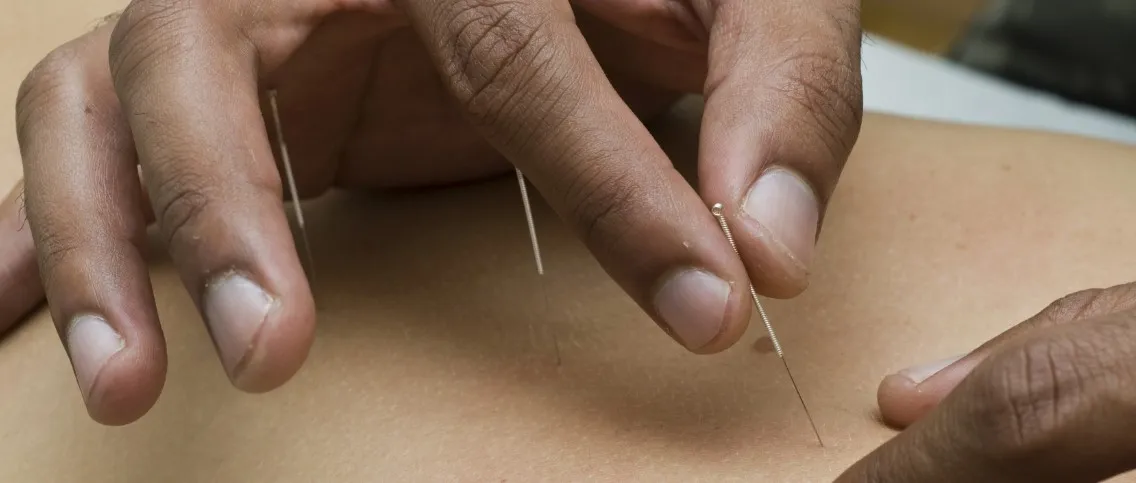
Functional dry needling is a physical therapy technique involving the insertion of thin needles into selected areas of muscle tissue. It is commonly used to address myofascial trigger points, which are sensitive areas within muscles that may contribute to localized discomfort or referred pain. The technique is called dry needling because the needles do not contain or inject medication. Instead, the treatment focuses on the response of targeted muscle tissue.
The purpose of dry needling is to address certain muscular concerns as part of an individualized rehabilitation plan. Depending on the patient's condition, a physical therapist may use the technique alongside therapeutic exercises, manual therapy, and movement training. Treatment decisions should be based on an appropriate evaluation rather than the assumption that every type of muscle discomfort requires needling. Understanding the technique and its intended application helps patients make informed decisions about their care.
How Trigger Points Can Influence Muscle Function?
Muscles contain fibers that work together to support movement, posture, and physical stability. Sometimes, sensitive areas develop within muscle tissue and are commonly described as trigger points. These areas may be associated with tenderness, muscle tightness, and discomfort during certain movements. For example, tension around the upper back and shoulder muscles may make reaching overhead or turning the neck less comfortable.
Trigger points can influence how individuals use their muscles during daily activities. When discomfort causes someone to avoid certain movements, other muscle groups may begin compensating, potentially changing normal movement patterns. Physical therapy can help evaluate these concerns and identify appropriate treatment options. Functional dry needling may be considered when the assessment indicates that targeted muscular treatment could be useful as part of a larger rehabilitation strategy.
Why People Search for Dry Needling Treatment?
Individuals explore dry needling for different reasons, particularly when they experience persistent muscle tightness or discomfort that affects their daily routines. People with physically demanding jobs may experience muscular strain from repeated lifting and movement. Office workers may notice tension associated with prolonged sitting, while athletes can develop muscle-related concerns through training and repetitive activity. These situations can affect comfort, flexibility, and the ability to perform certain movements.
Searching for Dry Needling Near Me allows individuals to explore clinics that provide this specialized physical therapy service. However, finding a provider involves more than checking whether a clinic offers the technique. Patients should consider professional qualifications, treatment explanations, safety procedures, and whether the approach is appropriate for their condition. A thorough assessment helps determine whether dry needling or another rehabilitation method is more suitable.
The Role of Dry Needling in Neck, Shoulder, and Back Rehabilitation
The neck, shoulders, and back perform important roles in supporting posture and everyday movement. Repetitive computer work, prolonged sitting, physical labor, and certain injuries may contribute to muscular discomfort in these areas. Some individuals experience tightness when turning their heads, lifting their arms, or maintaining a particular position for extended periods. Identifying the muscles and movement patterns involved can help guide an appropriate treatment plan.
Functional dry needling may be considered for selected muscular conditions involving these areas when clinically appropriate. A physical therapist may combine the technique with mobility exercises, strengthening activities, and posture education to address broader movement limitations. The treatment approach depends on the patient's symptoms and assessment findings. Dry needling should not be viewed as a universal solution for back, neck, or shoulder pain, since different conditions require different forms of evaluation and care.
What to Expect During a Dry Needling Appointment?
A dry needling appointment generally begins with a discussion about the patient's symptoms, health history, and treatment goals. The physical therapist may evaluate muscle function, movement restrictions, and areas of tenderness before deciding whether needling is appropriate. Patients should share relevant medical information, medications, previous treatment experiences, and any concerns they have about the procedure. This conversation helps the therapist consider safety and select an appropriate treatment approach.
During the procedure, the therapist uses a thin, sterile needle on selected muscle areas according to the treatment plan. Sensations can vary between individuals and may include brief discomfort, muscle twitching, or temporary soreness. Some people experience mild bruising or tenderness afterward. Patients should follow the therapist's aftercare instructions and report unusual or concerning symptoms. Clear communication throughout the appointment helps ensure that the treatment remains appropriate for the individual's needs.
Combining Dry Needling With Other Physical Therapy Techniques
Muscular discomfort can involve several contributing factors, including reduced strength, limited joint mobility, repetitive movement habits, and changes in physical activity. Addressing only one aspect may not be enough to support overall functional improvement. For this reason, dry needling is often considered one component of a broader physical therapy program rather than a standalone treatment.
Physical Therapy Advantage offers rehabilitation services that can address different movement-related concerns, including functional dry needling, manual therapy, orthopedic rehabilitation, and therapeutic exercise. Depending on the patient's condition, these approaches may be used to support muscle function, flexibility, strength, and movement control. A personalized program helps ensure that treatment recommendations reflect the individual's physical limitations and rehabilitation objectives.
Choosing a Qualified Dry Needling Provider in Your Area
Selecting an appropriate provider is an important part of exploring any specialized physical therapy treatment. Patients should look for a clinic that explains procedures clearly, evaluates individual health concerns, and follows suitable hygiene and safety practices. It is also helpful to choose a provider who considers how muscle discomfort affects everyday activities rather than focusing only on the area where symptoms occur.
Physical Therapy Advantage serves individuals in Aurora, North Aurora, Batavia, and surrounding Fox Valley communities in Illinois. Its rehabilitation services address various orthopedic, muscular, and movement-related concerns. Individuals searching for Dry Needling Near Me can explore the clinic's services and discuss their symptoms with its physical therapy professionals. A consultation can help determine whether functional dry needling is an appropriate option or whether another treatment approach may better address their needs.
Conclusion
Muscle tension and movement restrictions can affect work, exercise, and everyday activities. Functional dry needling is one specialized physical therapy technique that may be considered for selected muscular conditions involving trigger points and soft tissue discomfort. Its suitability depends on individual assessment, medical history, and treatment goals. When incorporated into a broader rehabilitation program, it may complement other approaches such as therapeutic exercises, manual therapy, and movement education.
Physical Therapy Advantage provides rehabilitation services for individuals in Aurora and nearby Fox Valley communities, including functional dry needling and other personalized treatment options. For people researching Dry Needling Near Me, learning about the procedure, understanding its possible applications, and consulting a qualified professional are useful steps toward making an informed healthcare decision. A treatment plan based on individual needs can help patients work toward improved movement, better physical function, and greater comfort during daily activities.