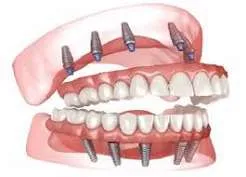
The global surgical procedures volume market is projected to grow steadily through 2028, supported by an aging population, increasing prevalence of chronic diseases, improvements in healthcare infrastructure, and wider access to advanced surgical treatments. The market was valued at US$ 1.7 billion in 2020 and is expected to reach US$ 2.6 billion by the end of 2028, expanding at a compound annual growth rate (CAGR) of 5.5% during the forecast period from 2021 to 2028.
Growing demand for cardiovascular, orthopedic, neurosurgical, ophthalmic, and gynecological procedures is creating opportunities for hospitals, specialty clinics, healthcare providers, and medical technology companies. Improvements in surgical techniques, diagnostic capabilities, and post-operative care are also encouraging patients to seek timely treatment for conditions that previously required limited or delayed intervention.
https://www.transparencymarketresearch.com/surgical-procedures-volumes-market.html
Rising Geriatric Population Supports Market Expansion
The growing global geriatric population is one of the major factors driving demand for surgical procedures. Older adults are more susceptible to cardiovascular diseases, orthopedic conditions, neurological disorders, eye diseases, and other chronic health problems that may require surgical intervention.
According to estimates cited in the market report, the global population aged 65 years and above is expected to reach 1.5 billion by 2050. The increasing proportion of older adults in countries such as the U.S., Japan, and Germany is likely to support demand for procedures including joint replacement, cataract surgery, cardiovascular interventions, and other age-related treatments.
The rising incidence of trauma injuries is another factor contributing to market growth. Road accidents, workplace injuries, and sports-related incidents create demand for orthopedic operations, neurosurgical interventions, and emergency surgical services. Healthcare providers are therefore investing in specialized surgical departments, advanced equipment, and skilled medical professionals to manage growing patient volumes.
Cardiovascular Procedures Maintain a Leading Position
Cardiovascular procedures represent a major segment of the global surgical procedures volume market. The increasing prevalence of heart disease and related conditions is generating demand for cardiac rhythm management device implantations, interventional cardiology procedures, and heart transplantation.
Interventional cardiology procedures accounted for a significant share of cardiovascular procedure volumes in 2020. These procedures include cardiac catheterization, coronary revascularization, and coronary angiography. Their importance is increasing as healthcare providers focus on early diagnosis and treatment of structural heart disease and other cardiovascular conditions.
The American Heart Association has reported that more than 5 million people in the U.S. are diagnosed with heart valve disease each year. This growing disease burden highlights the need for effective cardiovascular diagnosis, treatment planning, and post-procedure monitoring.
However, complex catheter-based interventions also require specialized training and experienced medical teams. Healthcare providers and industry stakeholders are increasingly emphasizing surgeon education, clinical training programs, and improved procedural practices to enhance patient safety and treatment outcomes.
Orthopedic and Neurosurgical Procedures Create New Opportunities
The orthopedic procedures segment is supported by rising cases of osteoarthritis, sports injuries, fractures, and other musculoskeletal conditions. Growing life expectancy and changing lifestyles are increasing the need for joint replacement and ligament or tendon repair procedures.
Knee, hip, and shoulder replacement surgeries are important components of this segment. Improvements in surgical instruments, implant materials, imaging systems, and minimally invasive techniques are helping healthcare professionals improve procedural precision and recovery outcomes.
Spine surgery, including spinal fusion, is another important area of demand. Increasing diagnosis of spinal disorders and age-related degeneration is creating opportunities for specialized hospitals and medical device manufacturers.
Neurosurgery procedures also contribute to market expansion. Procedures such as craniotomy, aneurysm coil embolization, cerebrospinal fluid drainage, and shunt placement are required to treat various neurological conditions. Advances in diagnostic imaging and surgical technologies are supporting more accurate treatment planning and improved management of complex neurological disorders.
Gynecology Procedures Gain Momentum with Greater Disease Awareness
Gynecology procedures are expected to witness strong growth during the forecast period. Rising awareness of women's health conditions, better diagnostic services, and increasing access to specialized healthcare are encouraging more women to seek medical treatment.
Conditions such as uterine fibroids, menorrhagia, and cervical cancer are contributing to demand for surgical interventions. Procedures such as hysterectomy, laparoscopic hysterectomy, uterine artery embolization, and cesarean section form important parts of this segment.
Increasing disposable income in emerging economies is also improving access to gynecological consultations, diagnostic testing, and surgical treatment. Healthcare providers are expanding women's health services and investing in advanced technologies to meet changing patient requirements.
At the same time, the growing adoption of minimally invasive gynecological procedures is creating opportunities to improve treatment precision and recovery experiences. Continued research and development in pelvic laparoscopy, hysteroscopy, and other specialized techniques is expected to support innovation across this segment.
Medical Tourism and Healthcare Spending Strengthen Asia Pacific
Asia Pacific dominated the global surgical procedures volume market in 2020. The region benefits from a large patient population, rising healthcare expenditure, increasing incidence of chronic diseases, and expanding medical infrastructure.
Countries such as India and Thailand have become important medical tourism destinations due to their healthcare facilities, specialist availability, and comparatively accessible treatment costs. Medical tourism is encouraging investment in hospitals, specialty centers, diagnostic services, and advanced surgical technologies.
The region's growing geriatric population and rising incidence of cardiovascular diseases, neurological disorders, and traumatic injuries are further supporting demand. Government initiatives to improve healthcare access and private-sector investment in hospital infrastructure are also contributing to market development.
North America, meanwhile, is expected to record strong growth in surgical procedure volumes. The region benefits from well-established healthcare infrastructure, favorable reimbursement systems, high healthcare expenditure, and growing adoption of advanced surgical technologies. Increasing demand for minimally invasive procedures and cesarean sections is also supporting market expansion.
Ophthalmic and Other Surgical Procedures Expand the Market
Ophthalmic procedures represent another important area of opportunity. Rising cases of cataracts, glaucoma, and refractive disorders are contributing to demand for cataract surgery, glaucoma surgery, and refractive surgery.
Improved screening programs, better diagnostic technologies, and wider availability of specialized eye-care services are encouraging patients to undergo treatment. Growing awareness of age-related vision problems is expected to further support this segment.
Other procedures, including urology and dental surgeries, also contribute to overall market volume. Expanding access to specialty care and improvements in clinical technologies are supporting demand across these treatment categories.
Post-Pandemic Recovery Supports Surgical Volumes
The COVID-19 pandemic disrupted healthcare services and led to the postponement of many elective surgical procedures. Hospitals redirected resources toward emergency and pandemic-related care, affecting routine surgical volumes across several specialties.
The gradual reopening of healthcare facilities and restoration of routine medical services have supported the recovery of postponed procedures. Patients are increasingly returning to hospitals for planned surgeries, diagnostic evaluations, and specialized treatments.
Healthcare providers are also strengthening operational capacity, improving patient management systems, and adopting technologies that support efficient surgical workflows. These developments are helping the healthcare ecosystem address accumulated demand while improving access to essential procedures.
Competitive Landscape and Market Opportunities
The surgical procedures volume market includes a broad ecosystem of hospitals, specialty healthcare providers, medical technology companies, and surgical equipment manufacturers. Competition is shaped by technological innovation, clinical capabilities, healthcare infrastructure, and the ability to deliver effective patient outcomes.
Companies operating across the wider surgical care ecosystem are focusing on advanced surgical technologies, improved procedural efficiency, training initiatives, and expanded healthcare access. Growing demand for cardiovascular, orthopedic, neurosurgical, and gynecological treatments is creating opportunities for investments in specialized facilities and medical equipment.
However, the market faces challenges related to high surgical costs, shortages of skilled professionals, procedural complications, and unequal access to advanced healthcare services. Addressing these issues through workforce development, better clinical training, and investment in healthcare infrastructure will remain important for long-term growth.
Future Outlook
The global surgical procedures volume market is expected to maintain steady growth through 2028 as aging populations, chronic disease prevalence, and increasing healthcare access continue to drive surgical demand. Cardiovascular procedures are likely to remain a major contributor, while gynecology, orthopedic, neurosurgery, and ophthalmic procedures offer additional growth opportunities.
Asia Pacific is positioned to remain an important market due to medical tourism, healthcare infrastructure development, and rising treatment demand. North America is also expected to benefit from technological innovation, advanced hospital facilities, and wider adoption of minimally invasive procedures.
With the global market projected to reach US$ 2.6 billion by 2028 at a CAGR of 5.5%, healthcare providers and medical technology stakeholders have opportunities to strengthen their capabilities, expand specialty services, and improve access to advanced surgical care.