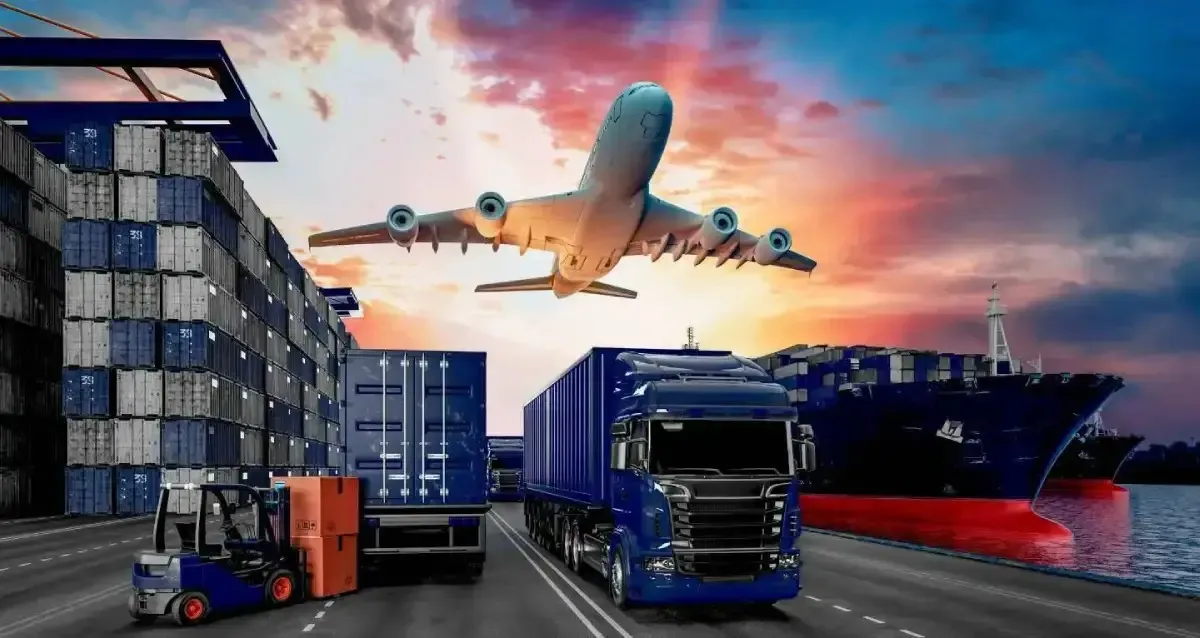
Waste hauling businesses manage numerous daily activities, including customer requests, waste collection schedules, vehicle assignments, route planning, billing, and driver coordination. Handling these responsibilities manually can create delays, increase administrative workloads, and make it difficult to maintain consistent service.
Waste hauler software helps businesses organize and automate essential operations through a centralized digital platform. It connects different parts of the waste collection process, allowing companies to manage customers, monitor routes, coordinate drivers, and track business performance more efficiently.
Whether a company provides residential garbage collection, commercial waste services, recycling, or roll-off dumpster rentals, specialized software can support its operational requirements.
This guide explores what waste hauler software is, its essential features, major benefits, and the factors businesses should consider when selecting a suitable solution.
What Is Waste Hauler Software?
Waste hauler software is a specialized business management solution designed for companies that collect, transport, and dispose of waste materials. It helps organize daily operations by connecting customer information, service schedules, dispatching, billing, fleet management, and reporting.
Instead of relying on separate spreadsheets, paperwork, and disconnected applications, businesses can use one system to manage important operational activities.
For example, when a customer requests a waste collection service, the software can record the request, schedule the service, assign a vehicle, and provide the relevant information to the driver.
After the collection is completed, the service record can be updated for billing and reporting purposes.
Who Uses Waste Hauler Software?
Different types of waste service providers can benefit from specialized management systems, including:
-
Residential waste collection companies: Manage recurring household garbage collection schedules.
-
Commercial waste haulers: Coordinate collection services for offices, retail stores, restaurants, and industrial facilities.
-
Roll-off dumpster rental businesses: Manage container deliveries, exchanges, pickups, and rental schedules.
-
Recycling companies: Organize recyclable material collection and transportation.
-
Construction waste removal companies: Coordinate debris collection, dumpster placement, and disposal activities.
-
Municipal waste contractors: Manage assigned routes, service schedules, and collection operations.
The right software depends on the type of waste services offered, the number of customers served, and the complexity of daily operations.
Why Do Waste Hauling Businesses Need Specialized Software?
Waste collection businesses operate under demanding schedules. Vehicles must reach assigned locations, drivers need accurate instructions, and customers expect reliable service.
Managing these activities without an organized system can create operational problems.
Better Operational Organization
Waste hauler software provides a centralized location for important business information. Managers can review scheduled services, customer accounts, vehicle assignments, and outstanding tasks.
This reduces the need to search through multiple records when making operational decisions.
Reduced Administrative Work
Manual scheduling, invoicing, and service record management can consume significant employee time.
Automation helps reduce repetitive administrative activities and allows employees to focus on customer service and operational responsibilities.
Improved Customer Service
Customer service teams can access relevant account information, review service histories, and respond to requests more efficiently.
This can help businesses manage missed pickups, service changes, billing questions, and additional collection requests.
Better Business Visibility
Management teams can review operational reports to understand service performance, revenue activity, fleet utilization, and customer trends.
Accurate operational information helps business owners identify problems earlier and make better-informed decisions.
Essential Features of Waste Hauler Software
A reliable waste management platform should include features that support the complete collection process.
The following capabilities are particularly important for waste hauling companies.
1. Customer and Account Management
Customer management helps businesses maintain organized records for residential, commercial, and industrial accounts.
Typical information includes:
-
Customer names and service addresses.
-
Contact preferences and account details.
-
Collection schedules and service types.
-
Container sizes and assigned equipment.
-
Billing information and service history.
-
Special instructions and account notes.
A centralized customer management system makes it easier for employees to retrieve information and coordinate service requests.
2. Route Planning and Optimization
Route planning is one of the most valuable features of waste hauler software. It helps managers organize collection stops and assign routes based on service locations, schedules, vehicle capacity, and operational requirements.
Route optimization tools may consider:
-
Distance between collection locations.
-
Traffic and road conditions.
-
Vehicle capacity and restrictions.
-
Driver availability.
-
Collection priorities.
-
Scheduled service windows.
Well-organized routes can help reduce unnecessary travel, improve vehicle utilization, and support more consistent collection schedules.
3. Dispatch and Scheduling Management
Dispatch software helps managers coordinate daily collection activities and communicate assignments to drivers.
Dispatchers can review scheduled jobs, assign vehicles, update service instructions, and respond to changes.
For example, if a commercial customer requests an additional pickup, the dispatcher can review available resources and assign the job to an appropriate route.
This helps businesses manage changing service requirements without relying entirely on manual communication.
4. Automated Billing and Invoicing
Billing management allows waste hauling companies to generate invoices based on customer agreements, recurring services, and completed jobs.
Common billing capabilities include:
-
Recurring invoice generation.
-
Service-based billing.
-
Additional pickup charges.
-
Rental and container service charges.
-
Payment tracking.
-
Account balance monitoring.
-
Invoice history.
Automated billing can reduce repetitive paperwork and help businesses maintain more consistent financial records.
5. Fleet and Driver Management
Fleet management features help companies monitor vehicles and organize driver assignments.
Depending on the platform, available capabilities may include vehicle records, maintenance schedules, inspection information, fuel tracking, and GPS-based location monitoring.
Driver management tools can also provide access to assigned routes, job instructions, and service updates.
6. Container and Dumpster Tracking
Businesses offering roll-off dumpster rentals and commercial waste services often need to monitor containers across multiple locations.
Container tracking features can help employees identify:
-
Available containers.
-
Containers assigned to customers.
-
Scheduled deliveries and pickups.
-
Container exchanges.
-
Rental status.
-
Equipment maintenance requirements.
This information helps businesses coordinate equipment more effectively and reduce scheduling conflicts.
7. Reporting and Analytics
Reporting tools help management understand how the business performs over time.
Important reports may include:
-
Completed and missed collections.
-
Revenue by customer or service type.
-
Outstanding invoices.
-
Route performance.
-
Vehicle utilization.
-
Driver productivity.
-
Customer account activity.
These insights help businesses evaluate operational efficiency and identify opportunities for improvement.
Benefits of Using Waste Hauler Software
Implementing waste collection software can improve several areas of business operations.
| Business area | Potential benefit |
|---|---|
| Scheduling | Better organization of recurring and additional services. |
| Route planning | More efficient collection routes. |
| Billing | Reduced manual invoicing activities. |
| Dispatching | Improved communication between managers and drivers. |
| Customer management | Centralized customer and service records. |
| Fleet management | Better vehicle maintenance and utilization tracking. |
| Reporting | Improved visibility into operational performance. |
Improved Productivity
When employees can access accurate information from one platform, they spend less time searching for records and coordinating routine tasks.
This can help teams manage more work with better organization.
Better Cost Control
Fuel, vehicle maintenance, labor, and disposal expenses are important cost factors for waste hauling businesses.
Software reporting can help managers understand where resources are being used and identify areas where operational adjustments may reduce unnecessary expenses.
More Consistent Service Delivery
Centralized schedules, route assignments, and service records help teams coordinate collection activities.
This can reduce confusion and make it easier to address service disruptions.
Support for Business Growth
As a waste hauling company expands, managing additional customers, vehicles, and service locations becomes more complex.
Scalable software helps businesses manage increasing operational demands without depending entirely on manual processes.
Types of Waste Hauling Businesses That Use This Software
Waste hauler software can support different service models, although each business may require a different combination of features.
Residential Waste Collection
Residential collection companies often manage recurring pickup schedules across large service areas.
Their software requirements may include route planning, customer account management, recurring billing, and missed-pickup tracking.
Commercial Waste Collection
Commercial waste services involve businesses with different collection frequencies, container requirements, and service agreements.
These companies may benefit from account management, contract tracking, dispatching, and customized billing features.
Roll-Off Dumpster Rental
Roll-off companies manage container deliveries, exchanges, pickups, and rental periods.
Their software should support container availability, job scheduling, delivery instructions, rental tracking, and customer billing.
Recycling and Construction Waste Services
Recycling and construction waste businesses may require additional tools for material tracking, transportation coordination, disposal records, and specialized service reporting.
How to Choose the Right Waste Hauler Software
Selecting a suitable platform requires an understanding of the company's current operations and future requirements.
Not every waste hauling business needs the same software capabilities.
Identify Business Requirements
Before comparing platforms, companies should identify their primary operational challenges.
For example, a roll-off dumpster business may prioritize container tracking and rental scheduling, while a residential collection company may focus more heavily on recurring routes and customer management.
Evaluate Essential Features
Businesses should compare platforms based on the features they actually need.
A practical evaluation checklist includes:
-
Customer and account management.
-
Route optimization and scheduling.
-
Dispatch management.
-
Billing and payment tracking.
-
Driver mobile applications.
-
Fleet management.
-
Container tracking.
-
Reporting and analytics.
Consider Ease of Use
Employees should be able to understand the system without extensive technical knowledge.
A clear interface and straightforward workflows can make implementation easier for office staff, dispatchers, drivers, and managers.
Review Integration Capabilities
Waste hauling businesses may already use accounting platforms, payment processors, GPS systems, or other business applications.
Software that supports appropriate integrations can reduce duplicate data entry and improve information sharing.
Evaluate Scalability and Support
The selected platform should be able to accommodate future changes in customer volume, fleet size, service locations, and operational complexity.
Businesses should also review training options, technical support, data security, and available implementation assistance.
Common Waste Hauling Challenges and Their Solutions
| Common challenge | How software can help |
|---|---|
| Missed collection appointments | Organized schedules and service alerts. |
| Inefficient routes | Route planning and optimization tools. |
| Billing mistakes | Automated invoice generation and account records. |
| Poor driver coordination | Dispatch tools and mobile job instructions. |
| Unavailable containers | Centralized container tracking. |
| Incomplete customer records | Centralized account management. |
| Limited performance visibility | Operational dashboards and reports. |
Managing Unexpected Schedule Changes
Weather conditions, vehicle breakdowns, and urgent customer requests can affect collection schedules.
Dispatch and scheduling tools help managers review available resources and adjust assignments when operational changes occur.
Maintaining Accurate Business Records
Incomplete service records can create confusion between drivers, dispatchers, and billing employees.
A centralized platform helps maintain consistent records of scheduled and completed work.
Frequently Asked Questions About Waste Hauler Software
What Is Waste Hauler Software Used For?
Waste hauler software helps companies manage waste collection schedules, customer accounts, routes, dispatching, billing, vehicles, containers, and operational reports.
Is Waste Hauler Software Suitable for Small Businesses?
Yes. Smaller waste hauling companies can use specialized software to organize customer information, schedule services, manage invoices, and coordinate daily activities.
The most appropriate platform depends on business size, budget, and operational requirements.
Does Waste Hauler Software Support Roll-Off Dumpster Rentals?
Many specialized platforms offer features for roll-off operations, including container tracking, delivery scheduling, exchanges, pickups, rental management, and customer billing.
Businesses should verify that the selected platform supports their specific rental workflows.
Can Waste Hauler Software Improve Route Efficiency?
Yes. Route planning and optimization tools can help organize collection stops based on distance, service schedules, vehicle capacity, and other operational conditions.
Actual results depend on route data, local conditions, and how effectively the software is implemented.
What Is the Difference Between Waste Management Software and Waste Hauler Software?
Waste management software is a broader category that can cover recycling, disposal, compliance, facility operations, and waste collection.
Waste hauler software focuses more specifically on the operational requirements of companies that collect and transport waste.
How Much Does Waste Hauler Software Cost?
Pricing varies according to the platform, number of users, vehicles, features, integrations, and service requirements.
Businesses should request pricing information and compare the total implementation and ongoing costs before selecting a solution.
Conclusion
Waste hauler software provides an organized way for waste collection companies to manage customers, routes, dispatching, billing, vehicles, and containers.
By connecting these activities through a centralized platform, businesses can reduce administrative workloads, improve operational visibility, and coordinate daily services more effectively.
Choosing the right solution requires careful evaluation of business requirements, essential features, ease of use, integration capabilities, and scalability.
For waste hauling businesses looking to improve productivity and manage growing operations, specialized software can become an important part of a more efficient and reliable service process.