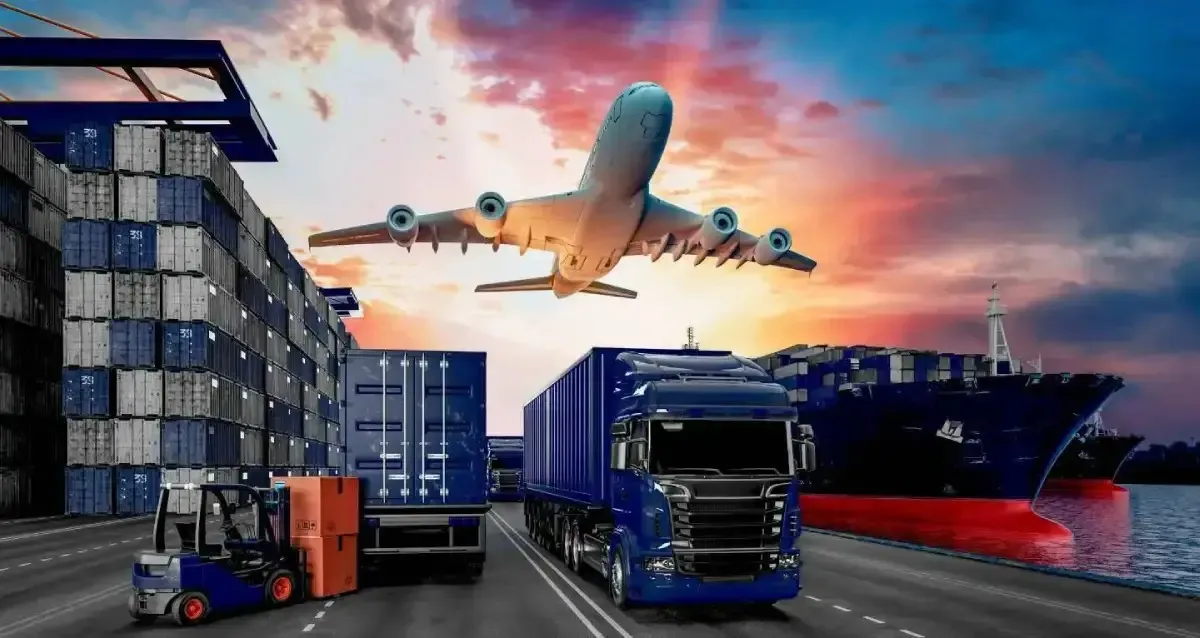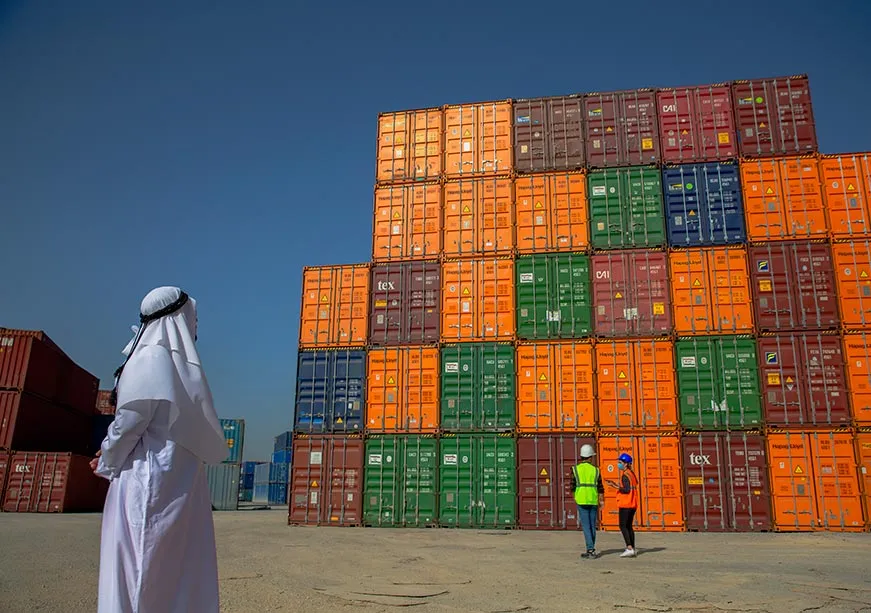
Shipping containers play an important role in international trade. They allow businesses to transport goods across long distances by sea, road and rail. From manufactured products to industrial machinery, containers provide a practical way to move different types of cargo between countries.
However, shipping containers can experience damage during transportation, loading, unloading and storage. Even small structural problems can affect cargo safety and create difficulties during shipping operations. Water leaks, damaged doors, rust and weakened floors are some common issues that businesses may encounter.
Container damage can also increase transportation costs. Companies may need to arrange repairs, replace unsuitable equipment or deal with damaged goods. Understanding the common causes of container damage helps businesses take preventive steps and maintain safer shipping operations.
Understanding Shipping Container Damage
Container damage refers to any physical or structural problem that affects the condition, strength or usability of a shipping container. It can develop gradually through regular use or occur suddenly because of accidents, poor handling or extreme weather conditions.
Some damage is easy to identify. For example, large dents, broken doors and visible holes can be noticed during a basic inspection. Other problems may be less obvious. Small cracks, weakened flooring and damaged rubber seals can create serious issues if they remain unnoticed.
A damaged container may allow water to enter, expose cargo to external conditions or create difficulties during lifting and transportation.
For businesses that regularly ship goods internationally, checking container condition before use is an important part of cargo protection.
Common Causes of Container Damage
Shipping containers pass through different environments and handling processes during their working life. Several factors can affect their condition and reduce their ability to protect cargo.
Poor Handling During Loading and Unloading
Improper handling is one of the common causes of container damage. Containers are regularly moved using cranes, forklifts, reach stackers and other heavy equipment.
If operators use incorrect lifting points or position equipment improperly, containers may experience dents, bending or structural stress.
Damage can also occur when containers are dropped, dragged or placed unevenly during handling. These incidents may affect the corner fittings, floor structure and container walls.
Proper handling procedures are essential. Equipment operators should receive appropriate training, and lifting operations should follow the container manufacturer's specifications.
Exposure to Moisture and Saltwater
Shipping containers frequently travel through marine environments. During sea transportation, they are exposed to humidity, saltwater spray and changing weather conditions.
These conditions can gradually damage metal surfaces, particularly when protective coatings become worn.
Rust often begins in areas where paint has been scratched or where water remains trapped. If corrosion is not treated, it can weaken the container structure and create holes.
Regular cleaning, suitable protective coatings and timely repairs can help reduce corrosion. Businesses should also inspect containers carefully before loading moisture-sensitive products.
Overloading and Uneven Weight Distribution
Every shipping container has specific weight and loading limits. Exceeding these limits can place excessive pressure on the floor, walls and structural components.
Overloading may cause the container floor to bend or weaken. It can also create problems during lifting and transportation.
Uneven cargo distribution is another concern. When most of the weight is concentrated in one area, the container may experience additional stress during handling.
Businesses should check the container's maximum payload and distribute cargo evenly. Heavy goods should be positioned according to appropriate loading and securing guidelines.
Poor Cargo Securing Inside the Container
Cargo movement can also contribute to container damage.
Goods that are not properly secured may shift when a vessel moves, a truck brakes or a train travels over uneven tracks. Heavy cargo can strike the internal walls or doors, causing dents and structural problems.
This movement can also damage other products inside the container.
Businesses should use suitable blocking, bracing, lashing and cushioning materials. The securing method should match the cargo's weight, shape and transportation requirements.
Accidents During Transportation
Containers may encounter accidents while travelling by road, rail or sea.
Road collisions, sudden braking and improper trailer handling can damage container corners, doors and walls. At ports, accidental contact with lifting equipment or other containers can also cause structural problems.
Severe weather and vessel movements may create additional risks, particularly when cargo or containers are not properly secured.
Although businesses cannot prevent every transportation accident, they can reduce risks through proper equipment selection, trained operators and reliable handling procedures.
Poor Storage Conditions
Container storage conditions can affect their long-term performance.
Containers left on uneven ground may experience unnecessary structural stress. Poor drainage can allow water to collect around the base, increasing the risk of corrosion.
Stacking containers incorrectly can also create safety problems. If the required stacking arrangements are not followed, structural components may experience excessive pressure.
Businesses and storage facilities should use suitable ground surfaces, maintain proper drainage and follow the container's approved stacking limits.
How Container Damage Affects Cargo Safety
Container damage does not only affect the equipment itself. It can also create problems for the goods being transported.
For example, damaged doors or rubber seals may allow rainwater to enter the container. This can affect products such as paper, textiles, electronics and packaged food ingredients.
A damaged floor may create instability for heavy cargo. Similarly, holes or gaps in container walls can expose goods to dust, moisture and other external conditions.
Structural damage can also create handling risks. Containers with damaged corner fittings or weakened structures may not be suitable for normal lifting or stacking operations.
For these reasons, businesses should not treat minor container damage as an unimportant issue. Even small defects should be assessed before cargo loading begins.
Practical Ways to Prevent Container Damage
Preventing container damage requires attention at different stages of the shipping process. Businesses, shipping companies and warehouse operators all have a role in maintaining container condition.
Carry Out Container Inspections Before Loading
A proper inspection should take place before cargo is loaded into a container.
The inspection should cover the external walls, roof, doors, locking mechanisms, floor and corner fittings. Any visible cracks, holes, corrosion or structural problems should be recorded.
Businesses should also check the interior for unpleasant odours, moisture, dirt and previous cargo residues.
A simple light test can help identify holes in an empty container. When the doors are closed in a suitable inspection environment, visible light entering through the walls or roof may indicate openings that require further investigation.
If a container has serious defects, it should not be used until its condition has been assessed and the necessary repairs have been completed.
Follow Proper Cargo Loading Procedures
Correct loading practices help protect both the container and its contents.
Cargo should be distributed evenly across the floor according to its weight and loading requirements. Heavy items should not be concentrated in one area without considering the container's structural limits.
Businesses should also avoid placing goods in ways that put unnecessary pressure on the doors or walls.
Using suitable pallets, supports and protective materials can help maintain stability during transportation.
Maintain Containers Regularly
Regular maintenance helps identify small problems before they become more serious.
Container owners and operators should inspect paint coatings, door seals, hinges, locking mechanisms and flooring. Rust should be treated early, while damaged components should be repaired or replaced when necessary.
Cleaning is equally important. Removing dirt, moisture and chemical residues can help protect internal and external surfaces.
A consistent maintenance schedule can extend the useful life of containers and reduce unexpected repair expenses.
Use Suitable Handling Equipment
Containers should be handled using equipment designed for their size and weight.
Forklifts, cranes and container handling machines should be operated by trained personnel. Operators should follow the correct lifting procedures and avoid unnecessary impacts.
Regular equipment maintenance is also important. Faulty lifting machinery can create additional risks during loading and unloading.
Protect Containers From Environmental Conditions
Weather exposure cannot always be avoided during international shipping. However, businesses can take steps to reduce its effects.
Protective paint coatings can help limit corrosion. Regular cleaning can remove salt deposits and other materials that may damage metal surfaces.
For sensitive cargo, businesses should also consider suitable packaging and moisture protection inside the container.
During storage, containers should be placed on stable surfaces with adequate drainage to prevent water accumulation.
The Importance of Choosing the Right Container Grade
Not every shipping container is suitable for every type of cargo.
Some containers are in excellent condition and may be appropriate for demanding shipping requirements. Others may show signs of wear but remain suitable for certain storage or transportation purposes, depending on their inspection results and applicable standards.
Businesses should understand container grades and conditions before making a selection.
For example, a container carrying sensitive electronic products may require a higher level of internal cleanliness and weather protection than one used for certain durable industrial materials.
Container suitability should also be assessed according to the requirements of the shipping line, transport operator and intended use.
Selecting the right container helps businesses reduce the possibility of cargo damage and avoid operational difficulties.
Why Container Documentation and Inspection Records Matter
Maintaining inspection records is an important part of container management.
Businesses should document the condition of containers before loading, during handovers where required and after unloading. Photographs can provide additional evidence of existing damage.
These records help distinguish between damage that existed before transportation and problems that may have developed during handling or transit.
They can also support communication between shippers, carriers, freight forwarders and cargo receivers.
When damage is discovered, businesses should record the location and extent of the problem. Relevant parties should be informed promptly, and any necessary inspection or repair should be arranged.
Accurate records can make damage investigations more organised and help businesses improve their future handling procedures.
When Should a Damaged Container Be Repaired or Replaced?
Not every damaged container needs to be removed from service permanently. Some minor issues can be repaired without affecting the container's overall usability.
For example, surface rust may be treated, while damaged door seals or locking components may be replaced.
However, serious structural problems require more careful assessment. Bent corner fittings, significant floor damage, large holes and weakened structural sections may make a container unsuitable for use.
Businesses should arrange professional inspections when structural integrity is uncertain. Repairs should follow appropriate technical requirements, and containers should only return to service when they are considered suitable for their intended use.
If the repair cost is too high or the container cannot meet the required standards, replacement may be a more practical decision.
The Role of Professional Logistics Services in Container Management
Container condition is closely connected with the quality of logistics operations. Businesses need reliable coordination during cargo collection, loading, transportation, port handling and delivery.
Working with an experienced logistics provider can help companies arrange suitable equipment, coordinate container handling and understand the requirements of international shipments.
Noble Line Logistics LLC provides shipping and freight forwarding solutions for businesses involved in international cargo transportation. Companies can explore its services at https://nobleline.ae/services/freight-forwarding/ to learn more about available logistics arrangements.
Professional coordination is particularly important when businesses transport heavy machinery, sensitive products or valuable commercial goods. Proper planning can help reduce handling mistakes and improve the overall shipping process.