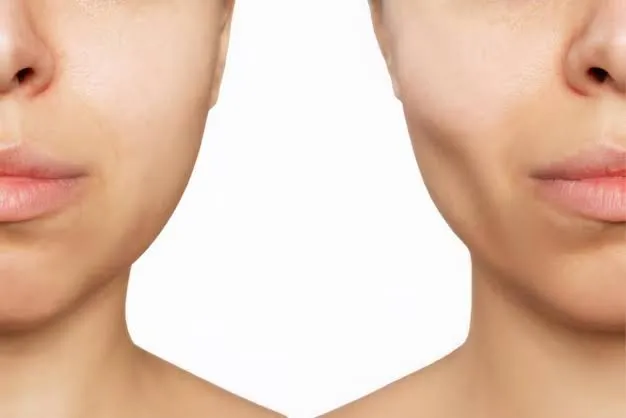
Facial contours play an important role in overall appearance, and many people look for ways to achieve a more defined and balanced facial profile. Naturally fuller cheeks can sometimes create a rounded appearance, even when the rest of the face is relatively slim. For individuals who prefer more sculpted cheek contours, Buccal Fat Removal in Dubai may be an option worth exploring. This cosmetic procedure focuses on reducing selected fat pads in the lower cheeks to create a more defined facial appearance. However, not everyone is suitable for this treatment. Understanding the ideal candidate profile, facial anatomy, personal expectations, and overall health can help individuals decide whether this approach aligns with their aesthetic goals.
Understanding Buccal Fat Removal
Buccal fat removal is a cosmetic procedure designed to reduce the buccal fat pads located deep within the lower cheeks. These natural fat compartments contribute to facial fullness and influence the shape of the mid-to-lower face.
By carefully reducing a portion of these fat pads, the procedure can create a more contoured appearance around the cheeks and jawline. The goal is not to remove all facial fullness but to achieve a balanced result that complements the individual's natural facial structure.
The suitability of this treatment depends on several factors, including facial proportions, the amount of existing cheek fat, skin quality, and long-term aesthetic expectations.
Who Is an Ideal Candidate for Buccal Fat Removal?
The ideal candidate is generally someone with naturally fuller lower cheeks who wants a more defined facial appearance. However, several characteristics help determine whether the procedure may be appropriate.
Individuals With Naturally Full Cheeks
People who have prominent cheek fullness despite maintaining a relatively stable body weight may be suitable candidates. In some cases, this fullness is influenced by the natural size of the buccal fat pads rather than overall body fat.
Individuals who feel their cheeks create a consistently rounded facial appearance may consider this procedure to achieve greater definition.
Adults With Fully Developed Facial Features
Facial fat distribution changes naturally during adolescence and adulthood. Younger individuals may experience changes in cheek fullness as their facial structure matures.
For this reason, the procedure is generally more appropriate for adults whose facial development is complete. Waiting until facial features have matured allows for a more reliable assessment of natural cheek volume and long-term facial proportions.
People Seeking Better Facial Definition
Some individuals prefer a more sculpted appearance around the lower cheeks. Those who want to create a subtle distinction between the cheekbones and lower face may explore this treatment.
The procedure can help reduce excessive fullness in the lower cheek area, potentially creating a more defined facial silhouette. However, results vary depending on individual anatomy.
Individuals With Realistic Expectations
A suitable candidate should understand what the procedure can and cannot achieve. Buccal fat removal is intended to reduce cheek fullness rather than completely transform facial structure.
It does not directly change the shape of the cheekbones, jawbone, or chin. Individuals who understand these limitations are generally better positioned to make informed decisions about treatment.
People With Stable Body Weight
Maintaining a relatively stable body weight can help individuals evaluate their natural facial contours more accurately. Significant weight fluctuations may influence facial fullness and make it difficult to determine whether the buccal fat pads are the primary concern.
A stable weight also helps establish realistic expectations regarding the appearance of the face over time.
Who May Not Be a Suitable Candidate?
Although the procedure can benefit selected individuals, certain facial characteristics and personal circumstances may make it less appropriate.
Individuals With Naturally Thin Faces
People who already have narrow or naturally lean facial structures may not benefit from removing additional cheek fat. Reducing existing facial volume could create an overly hollow appearance.
A thorough assessment of facial proportions is essential before considering treatment.
Individuals With Age-Related Facial Volume Loss
Facial volume naturally decreases with age. People experiencing age-related hollowing or reduced cheek fullness may be unsuitable candidates because removing additional fat could make the face appear more sunken.
Preserving natural facial volume is an important consideration when evaluating long-term aesthetic outcomes.
People With Unrealistic Aesthetic Goals
Individuals expecting dramatic changes or a completely different facial structure may need to reconsider their expectations.
The procedure addresses a specific area of facial fullness. It cannot guarantee a particular facial shape or make every face appear sharper or slimmer.
Individuals With Certain Medical Concerns
Overall health is an important factor in determining suitability for any cosmetic procedure. People with medical conditions that may affect healing, bleeding, or recovery require careful medical evaluation.
Individuals with active infections or other health concerns may need to postpone treatment until it is medically appropriate.
Important Factors to Consider Before Treatment
Choosing a facial contouring procedure involves more than identifying unwanted cheek fullness. Several considerations can help individuals understand whether treatment is appropriate.
Natural Facial Anatomy
Everyone has a unique facial structure. The size and position of buccal fat pads differ between individuals, which means the same procedure can produce different results.
An assessment of cheek volume, jawline definition, facial width, and overall proportions helps determine whether reducing buccal fat is likely to complement the face.
Skin Elasticity
Skin elasticity influences how the face responds to changes in underlying volume. Individuals with good skin quality may be better positioned to maintain a balanced appearance after fat reduction.
However, skin quality alone does not determine suitability. Other structural and anatomical factors must also be considered.
Long-Term Facial Appearance
Facial volume naturally changes throughout adulthood. Since buccal fat removal reduces a specific fat compartment, the decision should account for how the face may age over time.
Excessive fat removal can contribute to a hollow appearance later in life. A conservative and carefully considered approach is therefore important.
Personal Motivation
Individuals should consider why they want to change their cheek appearance. Aesthetic procedures are best approached as personal choices rather than decisions influenced by temporary trends or unrealistic beauty standards.
Having a clear understanding of individual goals can make the consultation process more productive.
What Happens During a Buccal Fat Removal Consultation?
A professional consultation is an important step in determining whether someone is an appropriate candidate.
The assessment generally involves reviewing facial anatomy, examining the lower cheek area, discussing aesthetic concerns, and evaluating relevant medical history.
The treatment approach may also be discussed in relation to facial symmetry and natural proportions. Not every individual with full cheeks has enlarged buccal fat pads, so identifying the actual source of facial fullness is essential.
Patients should have the opportunity to discuss their expectations, understand potential limitations, and ask questions about the procedure and recovery.
What Results Can Suitable Candidates Expect?
Suitable candidates may experience a reduction in lower cheek fullness, creating a more defined transition between the cheeks and jawline.
The final appearance depends on individual anatomy, the amount of fat removed, healing, and natural facial characteristics. Results are not identical for everyone.
Some swelling and temporary discomfort can occur during recovery, and the facial contours may take time to settle. Patients should follow their recommended recovery instructions and attend any necessary follow-up appointments.
It is also important to understand that the reduction of buccal fat is generally permanent. Therefore, careful candidate selection and conservative treatment planning are essential for achieving balanced, natural-looking facial contours.
How to Decide Whether Buccal Fat Removal Is Right for You
Determining suitability requires a combination of personal goals and professional evaluation. Individuals who have persistent lower cheek fullness, mature facial features, stable weight, and realistic expectations may be worth assessing for this procedure.
However, those with naturally thin faces, existing facial hollowing, or concerns about future volume loss may benefit from considering alternatives.
The most appropriate approach is one that respects natural facial anatomy while addressing individual aesthetic preferences. A detailed consultation can help clarify whether reducing buccal fat is suitable or whether preserving existing facial volume would produce a more balanced appearance.
Book Us
Choosing the right approach to facial contouring begins with understanding individual needs and maintaining natural facial balance. Enfield Royal Clinic Dubai offers professional aesthetic consultations to help individuals explore suitable treatment options based on their facial anatomy and personal goals. Those interested in Buccal Fat Removal can connect with Enfield Royal Clinic Dubai to discuss their concerns, understand the treatment process, and explore an approach designed around their desired facial contours.