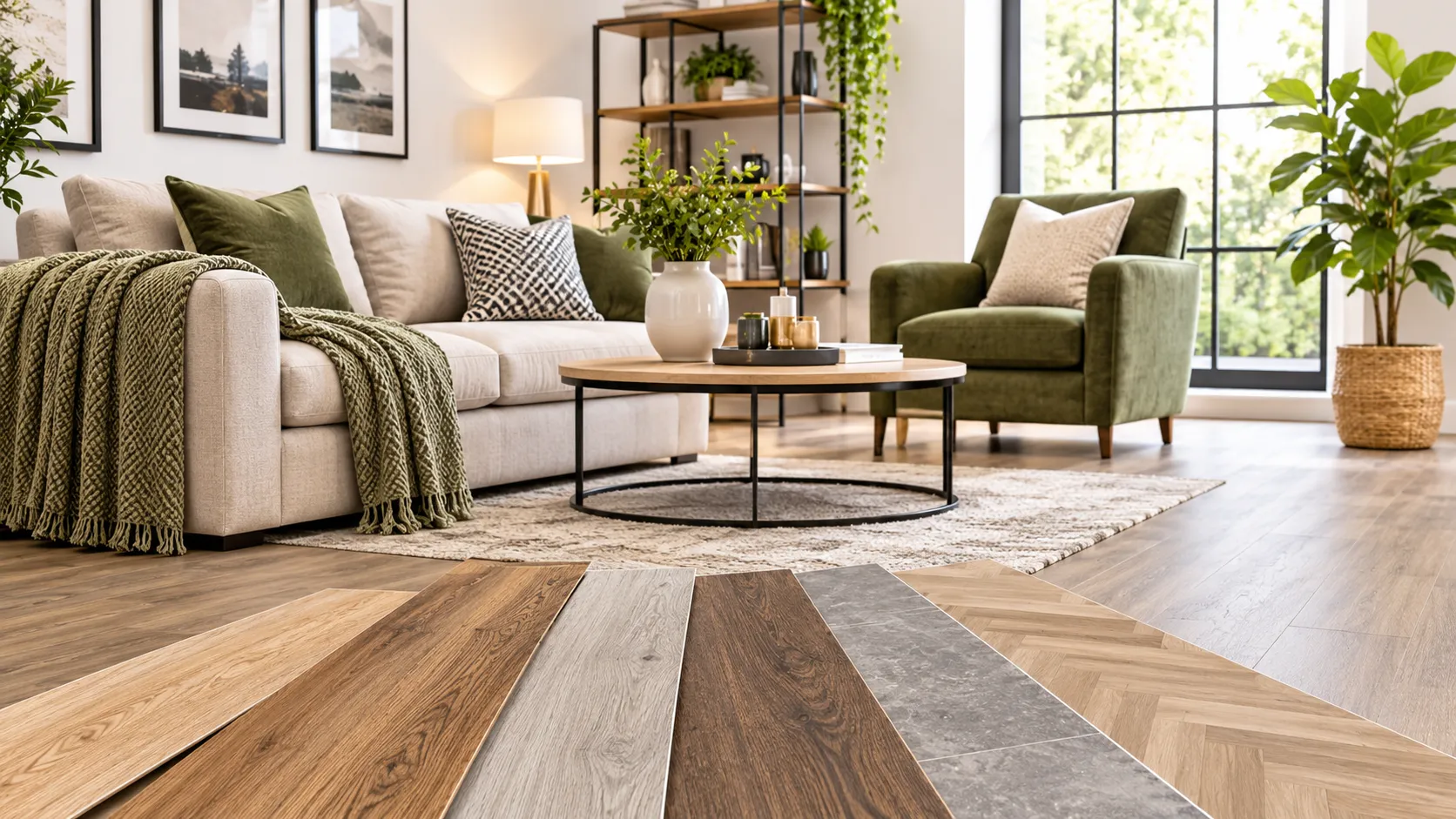
Choosing the right flooring is one of the most important decisions you make when designing or renovating a home. Honestly, flooring changes the whole look of a room; it impacts how comfortable it feels day to day, and it can play a big part in how much work you will have to do later on. But with all the different materials, colours, and finishes out there, finding something that somehow hits the balance between style, durability, and practicality can feel a bit overwhelming.
Nowadays, modern homeowners often want flooring that fits the vibe of their interior, yet still keeps up with everyday life. For example, WPC flooring, dark engineered flooring, and engineered oak flooring each bring different benefits, so they’re definitely worth a second look if you’re working with a contemporary space. If you understand what each option does well, where it actually works best, and how it should be looked after, choosing starts to feel clearer.
WPC Flooring: A Practical Choice for Modern Living
Wood-Plastic Composite, or WPC flooring, has caught on as a popular pick for homeowners who want that wood look but also want extra practical perks. It’s made by mixing wood-based bits with polymers, so it becomes a flexible flooring option for different interior spaces, depending on what you’re doing in your home.
One of the biggest advantages of WPC flooring is its water-resistant build. So it can work in places where spills happen now and then and everyday moisture is more or less a thing, but still, you really should check the product specs before installation… just to be safe.
WPC flooring also comes in lots of wood-effect designs, colours, and textures. Homeowners can grab finishes that mimic natural oak, walnut, or other timber types without going all-in on solid wood.
Where does WPC flooring actually work best?
You can think about it for:
- Living rooms that need an appealing, easy-to-manage surface
- Kitchens where spills and regular moisture show up a lot
- Bedrooms, where a warm wood-like appearance feels right
- Busy areas in the house with regular foot traffic.
The layered construction can also feel comfy underfoot, depending on the specific product and how it’s installed, too.
Dark Grey Engineered Flooring: A Contemporary Interior Statement
Colour really has a say in the overall mood and character of a room. Dark grey finishes have been getting more popular since they bring a more polished look while still matching a lot of modern design directions.
For homeowners who want the natural character of engineered wood but with a contemporary colour palette, dark grey engineered flooring is a pretty interesting option. It’s like two vibes at once.
Engineered flooring usually includes a real wood top layer bonded to a stable multi-layer core. This structure tends to provide better dimensional stability than traditional solid wood, even if the results depend on the product’s specs and the installation conditions.
How can you style dark grey flooring?
Dark grey flooring tends to shine in contemporary, industrial, and minimalist spaces.
A few styling ideas in real life:
- Light-coloured walls: White, cream, and soft beige walls make a nice contrast.
- Natural furniture: Wooden pieces and neutral upholstery help keep the look balanced
- Metallic accents: Black, brass, and brushed-steel details add a refined finish
- Soft furnishings: Light rugs, plus textured fabrics, can make it feel a bit warmer and more inviting
Also, dark grey engineered flooring can make smaller rooms feel more enclosed if lighting and wall colours aren’t planned carefully. Using natural light, reflective surfaces, and lighter furniture can help keep everything looking balanced and not too heavy.
Engineered Oak Flooring: Natural Beauty That Never Goes Out of Style
For homeowners who like traditional timber vibes, engineered oak flooring gives a pretty solid combo of that natural look and a more modern build.
ak is appreciated because it has distinctive grain patterns, warm tones, and a timeless appearance. The natural character of oak also helps it fit nicely in both classic settings and more contemporary interiors.
Why Is Engineered Oak a Popular Flooring Choice?
There are a few reasons why a lot of homeowners keep choosing engineered oak:
- Natural appearance: Each board shows its own grain patterns, and you get those subtle variations that make it feel like real timber.
- Interior versatility: Oak works with traditional furniture, modern kitchens, and minimalist living spaces.
- Design flexibility: You can find it in different grades, colours, plank widths, and surface finishes.
- Long-term appeal: The classic look tends to stay relevant, so it suits homeowners who don’t want flooring tied to short-lived trends.
Also, engineered oak flooring can be fitted in different laying patterns. That can be straight planks or herringbone styles, depending on the product and the subfloor needs, of course.
How Do These Three Flooring Options Compare?
Each one comes with its own perk, so what you select depends on what you care about most.
|
Flooring type |
Main advantage |
Where it really works |
|
WPC flooring |
Water-resistant construction plus a flexible design feel |
Kitchens, living spaces and some moisture-prone spots
|
|
Dark Grey Engineered Flooring |
A contemporary shade with a natural wood top layer |
Modern living rooms and those more stylish interiors |
|
Engineered Oak Flooring |
Classic timber look and a lot of layout flexibility |
Bedrooms, living rooms and dining areas |
Also, when you compare them, keep in mind that product quality, the installation process and ongoing upkeep can be a bit different from one manufacturer to the next, so don’t assume they're all the same.
Which Flooring Is Best for Different Interior Styles?
For contemporary interiors, dark grey engineered flooring boards can make a bit of a statement, almost like a base layer, especially if you have neutral walls and modern furniture—it tends to look very clean.
For traditional or Scandinavian-inspired homes, engineered oak brings warmth and that natural texture thing. If you go with lighter oak finishes, the space can feel more open, but darker tones usually give you a deeper feel.
For practical family spaces, WPC flooring might be worth a look because it’s water-resistant, and the maintenance is pretty straightforward, which is really helpful in everyday life.
Conclusion
Selecting the right flooring is not only about choosing something nice-looking, like a colour or finish. You need to think about how long it will last, what cleaning or upkeep will look like, how the rooms actually function day to day, and how it all fits the overall feel of your home.
WPC flooring is usually a sensible option in areas where moisture resistance really matters. Dark grey engineered flooring also adds a modern vibe to many interiors, while engineered oak flooring gives that classic natural look plus a pretty flexible style.
Once you spot the key differences between these choices, it becomes easier for homeowners to match the floor to their interiors.
Frequently Asked Questions (FAQs)
1. Is WPC flooring suitable for kitchens?
Yes, in many cases WPC flooring works nicely in kitchens, mainly because it’s built to resist water. Still, it’s worth verifying the manufacturer’s moisture-resistance details and what they say about installation.
2. What makes engineered oak flooring different from solid wood flooring?
Engineered oak flooring includes a real oak top layer that’s bonded to multiple layers underneath. Solid wood flooring, on the other hand, is made from one single piece of timber. Because of how it’s built, engineered flooring tends to stay steadier when indoor temperature and humidity go up and down.
3. Does dark grey engineered flooring make a room look smaller?
It can; dark floors may make a smaller room feel a bit more boxed in, especially if the walls are dark too and there isn’t much natural light. But you can balance that out by using lighter wall colours, good lighting, and neutral furniture.